
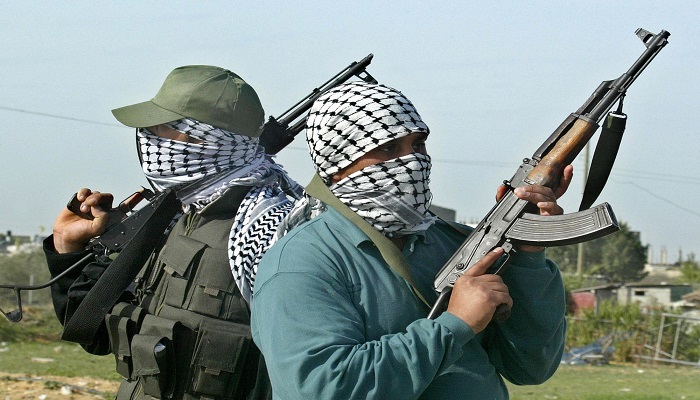
At least 1,213 people were killed, 952 abducted and 203 injured in 344 violent incidents across Nigeria between April and June 2026, according to the Second Quarter Security Report released by the Stefanos Foundation.
The report paints a grim picture of the country’s security situation, estimating that an average of 13 people were killed every day during the 90-day period.
According to the report, May recorded the highest number of security incidents with 129 cases, followed by June with 110, suggesting what the foundation described as a sustained escalation in terrorist and criminal activities without signs of decline.
Terror Violence Claims 1,213 Lives in Three Months, Stefanos Foundation Reports
FG Arraigns Two Ansaru Commanders, Three Others Over Oyo School Kidnap, Murder of Teachers
Plateau State recorded the highest number of incidents at 59, followed by Zamfara State with 32, making them the most affected states during the quarter.
The foundation attributed about 60 percent of the attacks to militant Muslim Fulani herdsmen, while armed bandits accounted for approximately 25 percent. ISWAP/Boko Haram insurgents were linked to 10 percent of the incidents, with other criminal groups responsible for the remaining five percent.
According to the report, victims included rural farming Christian communities, churches, pastors and worshippers. It noted that several attacks coincided with the Easter celebrations, a pattern the organization said could indicate a significant religious dimension to the violence. Schools and students, women and children, security personnel, travellers, traditional rulers, community leaders and miners were also among those targeted.
Among the most significant incidents highlighted were the Easter attacks and the separate abductions of more than 80 children from Orire in Oyo State and Lassa in Borno State on May 15, 2026. The report also documented incidents of electoral violence linked to political party primaries during the period.
The Stefanos Foundation identified several emerging security trends, including recurring attacks on schools, increasing mass kidnappings for ransom, and growing reports of armed groups imposing levies and taxes on communities in parts of northwestern Nigeria.
The report also observed distinct regional patterns in the violence. It said the Middle Belt continued to experience attacks on farming communities, while the Northeast remained affected by jihadist insurgency and the Northwest by organized banditry and criminal violence.
Although security agencies conducted military operations, airstrikes, arrests and rescue missions during the quarter, the report noted that the frequency and scale of attacks remained high, resulting in substantial civilian and security force casualties.
In its conclusion, the Stefanos Foundation warned that the data did not indicate any meaningful decline in terrorist activity and cautioned that political developments could contribute to a further rise in violence.
The organization called for sustained and coordinated counter-insurgency operations, stronger protection for vulnerable communities, and long-term measures to address underlying drivers of insecurity, including resource competition, arms proliferation and governance challenges.