The World Health Organisation (WHO) has announced that Nigeria currently has no active Ebola cases following the medical evacuation of the country’s index patient and her husband to Switzerland.
WHO Regional Director for Africa, Professor Mohamed Janabi, disclosed this on Monday, October 26, 2026, in a post on his official X account, while commending Nigerian health workers for managing the patient and coordinating her evacuation.
According to Janabi, the patient and her husband, who are both Swiss citizens, were flown to Switzerland earlier on Monday for continued medical care and follow-up.
“Earlier this morning, the Ebola patient in Nigeria and her contact, who is also her husband, were medically evacuated to Switzerland,” he said.
“With the evacuation of the patient and her husband, Nigeria currently has no Ebola cases. However, vigilance remains critical.”
Janabi explained that Nigeria would continue monitoring 52 contacts linked to the confirmed case, while Swiss authorities would assume responsibility for the patient’s continued treatment and the monitoring of her husband, identified as contact number 53.
He also commended the Federal Government, healthcare workers, clinicians, emergency responders and other partners involved in the response, describing their efforts as a demonstration of Africa’s public health capacity.
Patient’s Condition Improved Before Evacuation
The Coordinating Minister of Health and Social Welfare, Professor Muhammad Ali Pate, confirmed the evacuation in a separate statement on Monday, saying it was carried out with his approval.
Pate disclosed that the patient’s condition had improved considerably following treatment by Nigerian medical teams. She was reportedly stable, conscious and able to communicate, while her clinical laboratory results were approaching baseline levels.
However, the minister cautioned that the improvement did not necessarily mean she was no longer infectious, stressing that strict public health protocols remained in place throughout the evacuation.
The patient, a 42-year-old Ugandan-born woman married to a Swiss diplomat based in Abuja, was evacuated alongside her husband, who has remained asymptomatic.
The medical evacuation aircraft reportedly departed from the private jet wing of the Nnamdi Azikiwe International Airport, Abuja, early on Monday.
Pate praised the clinical personnel who treated the patient and the public health officials who ensured that the evacuation complied with appropriate infection prevention and control measures.
He also urged Nigerians to remain vigilant and obtain information about the outbreak from credible sources.
Nigeria Continues Monitoring 52 Contacts
Despite the evacuation, health authorities are continuing surveillance and contact-tracing activities to prevent further transmission.
The Nigeria Centre for Disease Control and Prevention (NCDC), in its October 24 situation report, said 53 contacts linked to the index case had been identified and were being followed up. They include healthcare workers, domestic staff and the patient’s husband.
The monitoring programme is intended to identify any contact who develops symptoms and ensure prompt testing, isolation and treatment where necessary.
The NCDC has also activated the national Incident Management System at the highest level to coordinate the country’s response.
In its latest situation report, the agency disclosed that a suspected Ebola case reported in Rivers State on October 23 tested negative for the virus.
The development provides some reassurance but does not eliminate the need for continued surveillance, particularly as authorities complete the monitoring of exposed individuals.
Nigeria’s First Imported Case Confirmed on October 20
Nigeria confirmed its first imported case of Ebola virus disease in more than a decade on October 20, 2026, after laboratory tests detected the Bundibugyo virus in the woman, who had recently travelled from Uganda.
According to the WHO, the patient arrived in Nigeria on October 3, developed symptoms on October 7 and sought medical attention at a private health facility in Abuja on October 11.
The NCDC was notified on October 19, prompting further investigation and laboratory testing, which confirmed the infection the following day.
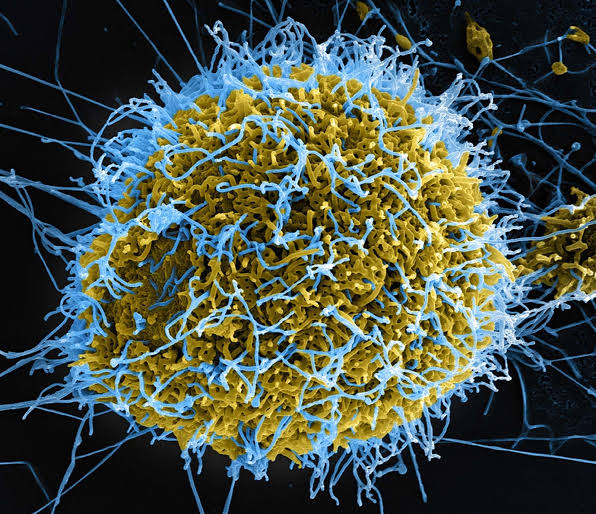
The Bundibugyo strain is one of the viruses responsible for Ebola disease. The current regional outbreak has been centred on the Democratic Republic of the Congo (DRC), with imported and linked cases also reported in other African countries.
In a situation update published on October 23, the WHO reported 9,704 confirmed cases and 4,687 deaths in the DRC as of October 20. Kenya had also reported nine cases, including one death, as of the same reporting period.
The WHO has called for sustained surveillance, stronger laboratory capacity, rapid case detection and coordinated cross-border preparedness to limit further spread.
Investigations into the likely source of the Nigerian patient’s infection and her complete exposure history have been ongoing.
Vigilance Remains Critical
Although the evacuation has left Nigeria without a currently confirmed Ebola patient within its borders, public health officials have emphasised that the response is not over.
The continued monitoring of the 52 remaining contacts in Nigeria will be central to determining whether any secondary infections occur. Swiss authorities will separately manage the patient’s ongoing care and follow up with her husband.
The Federal Government has urged the public to remain calm, follow official health advisories and cooperate with public health personnel.
The latest development marks a significant milestone in Nigeria’s response to the imported infection, but sustained contact tracing, early detection and strict infection prevention measures remain essential to containing the outbreak.