
Nigeria has increased the number of people being monitored following its first confirmed case of Ebola Bundibugyo virus disease to 53, as health authorities intensify contact tracing, investigate a suspected case and introduce emergency financial support for people placed in isolation or quarantine.
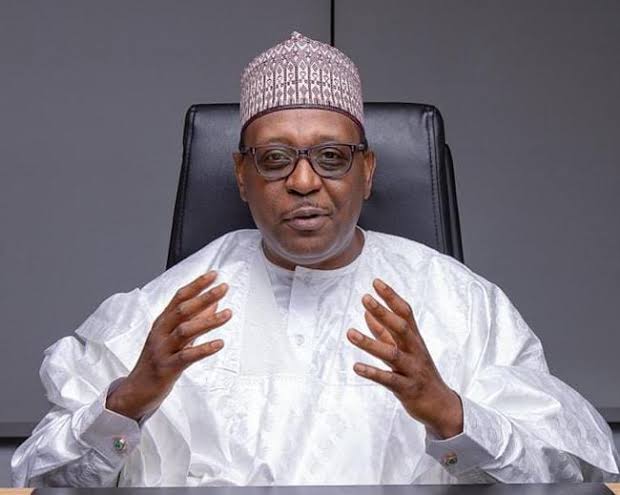
The Director-General of the Nigeria Centre for Disease Control and Prevention (NCDC), Dr Jide Idris, disclosed the latest developments at a press briefing in Abuja on Sunday, saying the agency had established isolation and quarantine facilities and strengthened laboratory capacity to prevent further transmission.
According to Idris, the agency had investigated two cases, including the confirmed infection in Abuja and a suspected case in Rivers State that subsequently tested negative. He clarified that the investigation had not established a second confirmed Ebola infection.
The NCDC is also monitoring 53 primary contacts linked to the confirmed case, an increase from the initial 44 reported after the infection was confirmed on October 20.
Atiku, Opposition Figures Fault Tinubu Over Claim Opposition Created Hunger, Poverty
Anambra Police Move to Contain Awka Anglican Crisis as Court Adjourns Ibezim’s Suit
Atiku’s Fate Will Be Decided by Voters, Not Osuntokun’s Tales by Moonlight
Contact tracing expands to 53 people
Idris said the 53 contacts include 44 people linked to the health facility where the patient received treatment and nine additional contacts identified through further investigations.
The additional contacts include three household members, including the patient’s husband, driver and chef, as well as three people who attended to her at an earlier health facility and three personnel involved in collecting samples.
The contacts are being assessed according to their exposure levels and monitored by public health teams. Authorities are also identifying secondary contacts who may have been exposed through people already under surveillance.
The NCDC said the monitoring process includes regular health checks, with anyone developing symptoms requiring immediate assessment and testing. Contacts are generally monitored for 21 days after their last possible exposure, corresponding to the recognised maximum incubation period for Ebola disease.
The agency has urged anyone contacted by public health officials to cooperate fully and provide accurate information about their movements, travel history, contacts and symptoms.
Federal Government approves ₦100,000 weekly support
In another development, the NCDC has approved emergency payments of ₦100,000 per person weekly to support people placed in isolation or quarantine during the outbreak response.
Idris said the intervention followed complaints from some contacts about the financial burden of feeding themselves, paying for accommodation and supporting their families while complying with public health monitoring arrangements.
“We are providing N100,000 per person per week just to maintain their comfort and feeding, because they were complaining,” he said.
The NCDC chief described the payment as an emergency measure that had not originally been planned but became necessary to help affected individuals comply with isolation and quarantine arrangements.
He said the agency would continue reviewing the arrangement as the response progressed.
Idris also warned that preparedness and financial support should not be limited to the Federal Capital Territory, saying state governments must be ready to provide the personnel, funding, equipment and logistical support required to respond to public health emergencies within their jurisdictions.
How Nigeria’s first confirmed case was detected
The confirmed case involves a 42-year-old woman who travelled to Nigeria from Uganda through Addis Ababa, Ethiopia, arriving in Abuja on October 3, according to the NCDC.
The patient developed symptoms on October 7 and sought medical attention at a private health facility on October 10 before presenting at another facility the following day, where she was admitted.
The NCDC was notified on October 19, and samples collected during the investigation were confirmed positive by the agency’s National Reference Laboratory on October 20.
The patient reportedly presented with fever, diarrhoea, generalised body aches and a sore throat, without bleeding.
The World Health Organization (WHO) confirmed Nigeria’s imported case on October 20, identifying the infection as Ebola Bundibugyo virus disease. At the time of its initial announcement, the WHO reported that 44 contacts had been identified and were being monitored.
The WHO said investigations were continuing to establish the likely source of infection and reconstruct the patient’s travel and exposure history.
Genetic findings point to a link with Kenya’s case
On October 23, the Federal Government announced that genomic analysis showed the virus identified in Nigeria was genetically related to the virus detected in a case in Kenya.
The analysis was conducted by the NCDC and the Institute of Genomics and Global Health at Redeemer’s University, Ede, Osun State.
However, the Coordinating Minister of Health and Social Welfare, Professor Muhammad Ali Pate, cautioned that genetic similarity alone does not establish a direct epidemiological link between the two cases. Further investigations are required to determine the relationship, if any.
The development underscores the importance of regional surveillance and cooperation as the outbreak continues to affect multiple countries.
Health facilities placed on heightened alert
The NCDC said approximately 12 public and private laboratories were available to conduct Ebola tests, adding that laboratory capacity had been strengthened to ensure suspected infections were investigated promptly.
Public and private healthcare facilities have been urged to reinforce screening, triage and infection prevention and control measures, while ensuring that healthcare workers have adequate personal protective equipment.
Health authorities are also strengthening surveillance, clinical management, staff training and the availability of laboratory supplies.
On October 23, the Federal Ministry of Health and Social Welfare called for strict compliance with approved Ebola screening and entry protocols at Nigeria’s designated points of entry. The directive followed concerns about reported non-compliance with established procedures.
The Federal Government has also directed public information agencies to intensify public education and awareness to ensure that Nigerians receive accurate information about the outbreak.
Regional outbreak raises concerns
Nigeria’s case is part of a wider outbreak of Bundibugyo virus disease that originated in the Democratic Republic of the Congo (DRC).
In its October 23 disease outbreak update, the WHO reported that the DRC had recorded 9,704 confirmed cases and 4,687 deaths as of October 20, across 66 health zones in eight provinces.
Kenya had reported nine cases, including one death, by October 20. The WHO said the eight additional cases in Kenya were epidemiologically linked to the initial imported case, with no evidence at that time of wider community transmission.
Nigeria became the fifth country to detect the virus since the outbreak was declared in the DRC on May 15, 2026.
The WHO has urged countries in the region to maintain strong disease surveillance, monitor points of entry, strengthen laboratory capacity and ensure rapid identification and follow-up of contacts. It has also advised against imposing travel or trade restrictions on affected countries.
Lessons from the 2014 outbreak
Nigeria successfully contained its 2014 Ebola outbreak through rapid case identification, isolation, contact tracing and coordinated public health action.
Idris said the country was drawing on lessons from that experience while strengthening preparedness at national and state levels.
The current response will depend on timely detection of suspected infections, effective infection prevention measures, cooperation from people identified as contacts and adequate resources for public health teams.
The NCDC has urged Nigerians to remain calm, practise good hand hygiene, avoid direct contact with the blood and other bodily fluids of suspected or confirmed cases, and promptly report possible exposure to public health authorities.
The agency has also called on the public to rely on verified information from the NCDC, the Federal Ministry of Health and Social Welfare and the WHO, warning against the spread of rumours and unverified claims as investigations continue.