The Nigeria Centre for Disease Control and Prevention (NCDC) has identified two suspected cases of Ebola Virus Disease (EVD) in the North-East region, raising fresh concerns over the country’s efforts to contain the disease following an earlier confirmed infection in Abuja.
The agency disclosed the development in an update on Saturday, October 31, stating that both individuals had been isolated while contact identification and listing were ongoing.
Laboratory investigations are also underway to determine whether the suspected cases are positive for the Ebola virus.
However, the NCDC cautioned Nigerians against interpreting the development as confirmation of additional infections, stressing that only laboratory results can establish the individuals’ status.
“Being classified as suspected cases does not mean they are confirmed Ebola cases; confirmation is subject to laboratory results,” the agency stated.
Nigeria’s Power Crisis: The Generator Has Become the Chairman, and Industry Is Paying the Price
https://everyday.ng/2026/10/31/101074/
https://everyday.ng/2026/10/31/101070/
https://everyday.ng/2026/10/31/101078/
The NCDC urged members of the public to maintain proper hand hygiene, practise enhanced sanitation and comply with guidance issued by public health authorities.
It added that further information would be released as verified details become available.
North-East locations yet to be disclosed
The NCDC has not publicly identified the specific states or local government areas where the two suspected cases were detected.
Details concerning the individuals’ ages, travel histories, possible exposure to infected persons and current health conditions have also not been disclosed.
Contact identification and listing are important components of the investigation, as health authorities seek to establish whether the individuals had interactions with anyone who may have been exposed to the virus.
Nigeria previously confirmed Ebola case in Abuja
The latest development comes barely 11 days after Nigeria confirmed an imported case of Ebola Virus Disease in the Federal Capital Territory (FCT).
The Federal Government announced the confirmed infection on October 20, 2026, involving a 42-year-old woman who had travelled to Nigeria from Uganda through Addis Ababa, Ethiopia.
According to information released by the NCDC, the woman developed symptoms on October 7 and subsequently sought medical attention at a private health facility in Abuja.
Laboratory investigations later confirmed that she had contracted the Bundibugyo strain of the Ebola virus.
Following the confirmation, health authorities activated emergency response measures, including isolation, contact tracing, surveillance and infection prevention and control interventions.
The NCDC initially identified 53 contacts associated with the Abuja case in its October 24 situation report. Subsequent reporting indicated that the number had increased to 62 by October 29, with the identified contacts placed under monitoring.
The patient was subsequently medically evacuated to Switzerland on October 26 for further treatment and care.
What Nigerians should know about the Bundibugyo Ebola strain
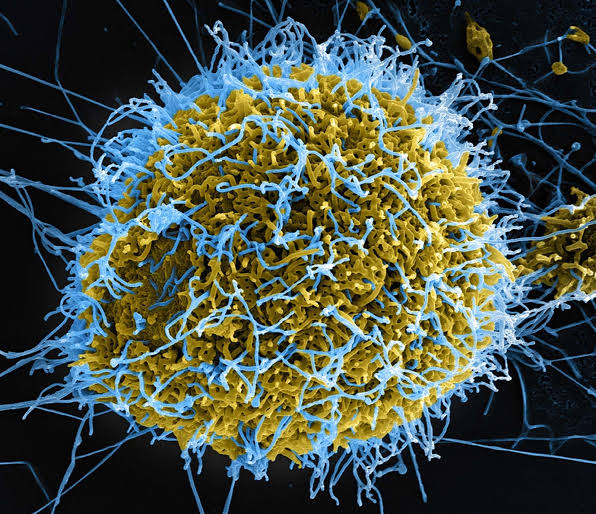
The current regional outbreak involves the Bundibugyo species of Ebola virus, a strain associated with Ebola Virus Disease.
According to the World Health Organisation, the outbreak has involved countries including the Democratic Republic of the Congo, Uganda and Kenya, with Nigeria also reporting an imported confirmed infection.
Ebola is a serious infectious disease that can spread through direct contact with the blood and other bodily fluids of an infected person, as well as contaminated materials.
Symptoms may include fever, fatigue, headache, muscle pain, sore throat, vomiting, diarrhoea and, in some cases, unexplained bleeding.
The early symptoms can resemble those of other illnesses, making prompt medical assessment and laboratory testing important.
NCDC intensifies public health precautions
As investigations into the two suspected cases continue, the NCDC has called on Nigerians to remain vigilant without spreading unverified information.
The agency’s public health guidance includes:
▪︎Regularly washing hands with soap and running water or using an alcohol-based hand sanitiser.
▪︎Avoiding direct contact with the blood and bodily fluids of anyone suspected of having Ebola.
▪︎Avoiding contact with potentially contaminated materials.
▪︎Reporting possible exposure to public health authorities promptly.
▪︎Cooperating with contact tracing and other public health interventions.
▪︎Seeking medical guidance immediately if symptoms develop following a possible exposure.
The agency has also advised healthcare workers to maintain strict infection prevention and control procedures when managing suspected cases.
WHO monitoring and regional response
The World Health Organisation has emphasised the importance of sustained surveillance, early detection, cross-border coordination and effective public health responses as countries work to contain the regional outbreak.
The WHO has also advised against imposing travel or trade restrictions on affected countries.
Nigeria’s latest suspected cases will therefore require further investigation to establish whether they represent additional infections and whether there is any epidemiological connection with the previously confirmed Abuja case.
As of Saturday, the NCDC had not confirmed the two North-East cases.
The public is advised to rely on verified information from the NCDC, the Federal Ministry of Health and Social Welfare, and other recognised public health authorities as investigations continue.