The United States Department of Homeland Security (DHS) has published the names and photographs of 124 Nigerians listed for deportation as part of an ongoing immigration enforcement campaign targeting non-citizens with criminal convictions.
The updated list, released on Wednesday through the DHS website, identifies the affected Nigerians under the agency’s “Worst of the Worst” category of criminal offenders arrested by the U.S. Immigration and Customs Enforcement (ICE).
U.S. authorities, however, did not disclose the specific offences attributed to each individual or provide a timeline for their removal from the country.
In a statement accompanying the publication, the department said: “The U.S. Department of Homeland Security is highlighting the worst of the worst criminal aliens arrested by the U.S. Immigration and Customs Enforcement (ICE).
“Under DHS leadership, the hardworking men and women of DHS and ICE are fulfilling President Trump’s promise and carrying out mass deportations – starting with the worst of the worst – including the illegal aliens you see here.”
Among those listed are Ifeanyi Nwaozomudoh, Aderemi Akefe, Solomon Wilfred, Chibundu Anuebunwa, Joshua Ineh, Usman Momoh, Oluwole Odunowo, Bolarinwa Salau, Sunday Adediora, Sunday Kunkushi, Mkpouto Etukudoh, Marcus Unigwe, Olaniyi Ojikutu, Boluwaji Akingunsoye, Ejike Asiegbunam, Emmanuel Mayegun Adeola, Bamidele Bolatiwa, and Oriyomi Aloba.
Others include Joseph Ogbara, Olusegun Martins, Kingsley Ariegwe, Olugbenga Abass, Oyewole Balogun, Adeyinka Ademokunla and Christian Ogunghide.
Oludayo Adeagbo, Olaniyi Akintuyi, Talatu Dada, Olatunde Oladinni, Jelili Qudus, Abayomi Daramola, Toluwani Adebakin, Olamide Jolayemi, Isaiah Okere, Benji Macaulay.
The latest publication represents an increase from earlier DHS updates this year, when the number of Nigerians on the deportation register stood at 79 before rising through subsequent revisions. The current list of 124 Nigerians forms part of a broader public database maintained by the department, which features foreign nationals prioritised for immigration enforcement because of criminal convictions.
Although DHS has not disclosed the offences committed by each individual in the latest update, previous analyses of U.S. court records indicated that many Nigerians on earlier versions of the list had been convicted of offences including wire fraud, identity theft, money laundering, sexual offences, drug-related crimes, robbery, assault and other financial crimes. Independent reviews of court filings also suggested that financial crimes accounted for a significant proportion of the Nigerian cases appearing on the register.
The publication is part of the immigration enforcement measures introduced following President Donald Trump’s return to office in January 2025. One of the executive orders signed at the beginning of his administration directed immigration authorities to prioritise the arrest, detention and removal of undocumented migrants considered threats to public safety and national security. ICE has since expanded enforcement operations across the United States, while deportation flights have been increased to destinations in Africa, Asia and the Caribbean.
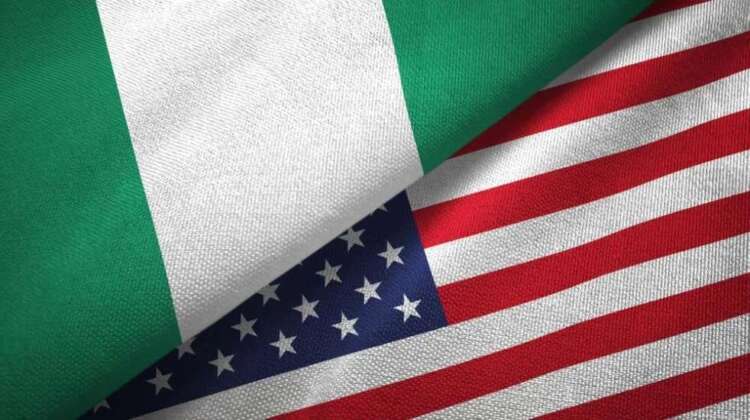
The development comes amid heightened scrutiny of U.S.-Nigeria immigration relations. In recent weeks, Washington announced partial visa restrictions affecting Nigerian citizens, citing concerns over identity management, information sharing, visa overstay rates and security screening procedures. The measures have prompted renewed diplomatic engagement between both countries on migration, border security and travel documentation.
While the publication of the names has generated public attention, immigration experts note that inclusion on the DHS register does not automatically mean an individual will be removed immediately. Deportation proceedings typically depend on the completion of immigration processes, detention arrangements, legal appeals where applicable, and coordination between U.S. authorities and the receiving country.