
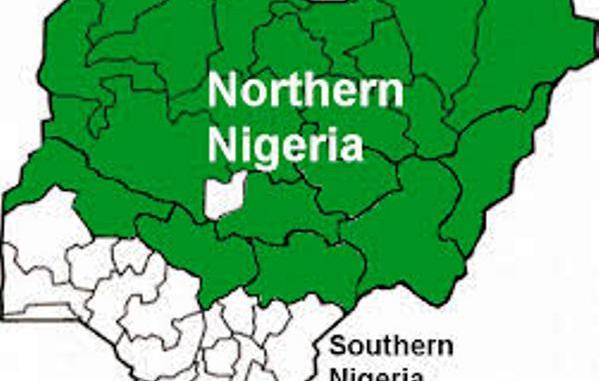
A group of United Nations human rights experts has expressed serious concern over reports of killings, abductions, sexual violence, forced conversions, and forced marriages targeting Christians and other religious minority communities in Nigeria, particularly in the North and Middle Belt regions.
In a statement released on June 8, the experts said they had received credible testimonies describing a worsening security situation that has left vulnerable communities exposed to attacks by armed extremist groups and other violent actors. They cited reports of violence against women and girls, including sexual abuse, abductions, child marriage, and religious coercion.
The experts warned that insecurity in parts of northern Nigeria and the Middle Belt has created conditions in which groups such as Boko Haram and Islamic State West Africa Province continue to operate with devastating consequences for civilians. They also pointed to reports of impunity, institutional failures, and inadequate protection by authorities.
According to the UN communication, women and girls from Christian and other minority communities face heightened risks of kidnapping, sexual violence, forced conversion, and forced marriage. The experts said survivors have described experiences of fear, coercion, and abandonment, calling for immediate protection measures and access to justice.
The UN team urged Nigerian authorities to secure the release of abducted persons, conduct independent investigations into reported abuses, and prosecute those responsible. They warned that continued impunity could contribute to further violence and instability.
The development comes as the UN Special Rapporteur on freedom of religion or belief, Nazila Ghanea, has begun an official fact-finding visit to Nigeria to assess religious freedom, communal tensions, and security challenges across the country. The mission follows an invitation from the Nigerian government and is expected to include consultations with officials, civil society groups, and affected communities.
At the same time, some UN officials have cautioned against viewing Nigeria’s broader security crisis solely through a religious lens, noting that violence in many regions affects both Christians and Muslims and is driven by a combination of terrorism, banditry, communal conflict, and criminal activity.
The government has not yet issued a comprehensive public response to the latest UN experts’ communication, but the allegations are likely to increase international scrutiny of the country’s efforts to protect vulnerable communities and address persistent insecurity.