
A wave of grief has swept across Nigeria following two separate road tragedies in Ogun and Kogi states that claimed at least 27 lives within 48 hours, once again drawing attention to the country’s worsening road safety crisis.
In Ogun State, no fewer than 11 people died after a vehicle plunged off the Eruku Bridge along the Lagos-Abeokuta Expressway on Sunday night. According to the Federal Road Safety Corps (FRSC), the gold Toyota vehicle, bearing registration number GGE722KJ, reportedly somersaulted before falling off the bridge and trapping occupants inside as the doors locked on impact.
The Ogun State FRSC spokesperson, Afolabi Odunsi, said all 11 occupants — 10 men and one woman — died at the scene despite rescue efforts by officials from the Itori Unit Command and local residents, who dismantled parts of the wreckage to recover the victims’ bodies.
The corpses were deposited at the State Specialist Hospital morgue in Ifo.
Preliminary investigations linked the crash to suspected driving under the influence and overloading, while authorities also urged motorists travelling at night on the Lagos-Abeokuta corridor to exercise greater caution.
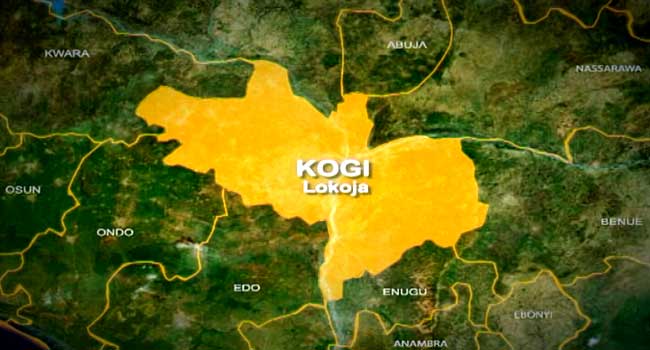
Barely a day earlier, another devastating crash on the Lokoja–Okene Highway in Kogi State killed 16 passengers and left six others injured after an 18-seater Toyota Hiace bus travelling from Jos to Lagos reportedly lost control and plunged beneath a bridge near Aku village, close to the Osara axis of the highway.
FRSC officials said the accident occurred around 9:20 a.m. and involved 22 passengers. Rescue workers battled to pull victims from the mangled bus, while survivors with severe injuries were rushed to the Specialist Hospital in Lokoja and medical facilities in Osara.
Authorities confirmed that the dead included 15 men and one woman. Preliminary findings pointed to excessive speeding and driver fatigue as likely causes of the crash.
The twin tragedies have reignited concerns over the alarming rate of fatal road accidents across Nigeria, particularly on major highways notorious for crashes involving commercial buses and overloaded vehicles.
The Lokoja–Okene Highway, often described by motorists as one of the country’s deadliest routes, has witnessed repeated fatal accidents in recent years due to speeding, dangerous overtaking, poor road conditions and driver exhaustion. Earlier this year, five people were killed and seven others injured in another Kogi crash blamed on wrongful overtaking.
In Ogun State, road crashes have also remained a major concern despite increased enforcement by the FRSC. The Ogun Sector Command recently disclosed that 80 people lost their lives in road accidents across the state between January and March 2026, though the figure represented a decline from the same period last year.
Nationally, the FRSC has repeatedly warned that speeding remains the leading cause of fatal road accidents in Nigeria. During the 2025/2026 festive period alone, the corps recorded 597 deaths in road crashes nationwide, with officials identifying excessive speed, reckless overtaking and driver fatigue as the most common causes.
Recent crashes across the country have continued to reflect the same pattern. In March, four people died in a multiple-vehicle collision on the Ijebu-Ode/Ore Expressway in Ogun State after a speeding bus rammed into a stationary truck.
Road safety experts say the persistence of such accidents highlights deeper structural problems, including poor enforcement of traffic laws, inadequate road infrastructure, overloaded commercial transport, and a growing culture of dangerous night travel by long-distance drivers.
As grieving families prepare to bury loved ones lost in the Ogun and Kogi tragedies, many Nigerians are once again demanding stricter enforcement of road safety regulations, improved highway infrastructure and tougher sanctions against reckless driving to stem the rising death toll on the nation’s roads.