
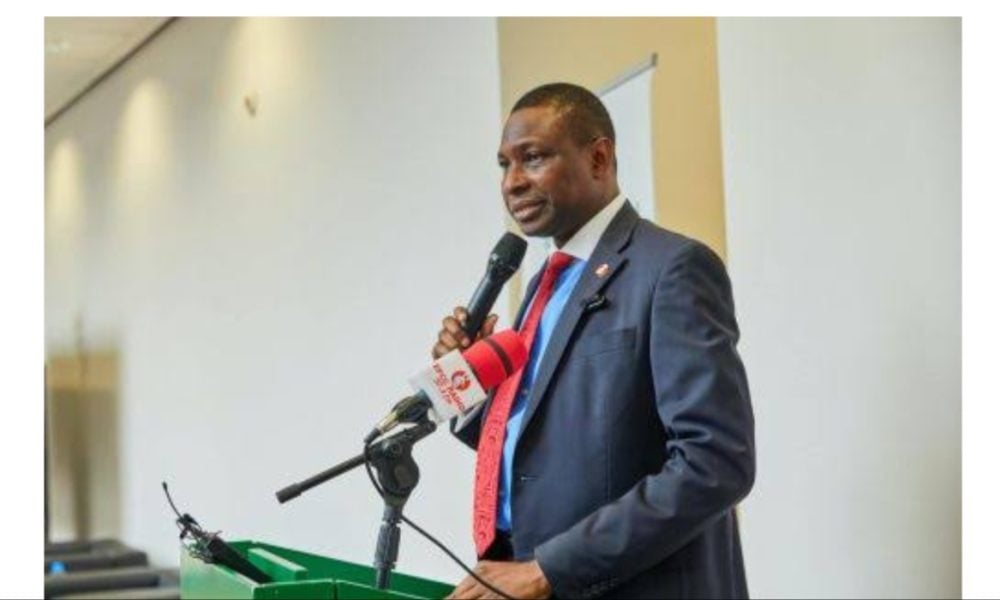
● EFCC chairman raises fresh concerns over questionable church donations, financial misconduct and alleged bribery for leadership positions
The General Overseer of the Redeemed Christian Church of God (RCCG), Pastor Enoch Adeboye, reportedly ordered the immediate refund of billions of naira donated towards a church project after the Economic and Financial Crimes Commission (EFCC) traced the funds to suspected proceeds of financial crime.
EFCC Chairman, Ola Olukoyede, disclosed this while addressing RCCG pastors and workers in the early hours of Saturday, November 7, 2026, during a meeting organised ahead of the church’s annual Holy Ghost Congress.
According to a report by Church Times Nigeria, Adeboye had personally invited the anti-graft agency’s chairman to address church workers on financial propriety, accountability and the importance of maintaining transparent financial records.
Recounting the incident, Olukoyede explained that a member of the church had donated billions of naira towards an RCCG project. However, investigations by the commission subsequently established that the money was allegedly generated from criminal activities.
The EFCC chairman said the commission formally brought its findings to Adeboye’s attention, prompting the cleric to direct church officials to return the money.
Olukoyede reportedly commended the RCCG General Overseer for his swift response, saying the refund was ordered within 24 hours of the church receiving the information.
In a further account published by Peoples Gazette on Sunday, November 8, Olukoyede reportedly said Adeboye neither disputed the commission’s findings nor attempted to protect the donor.
The EFCC chairman quoted the cleric as insisting that the church must not retain money suspected to be proceeds of crime, regardless of the donor’s status or financial influence.
According to Olukoyede, the church subsequently complied with the directive and returned the funds to the commission.
However, the EFCC chairman did not publicly identify the donor, disclose the exact amount involved or name the particular RCCG project that received the contribution. There has also been no publicly disclosed information establishing whether the donor has been charged or convicted in connection with the alleged financial crime.
EFCC Raises Alarm Over Financial Misconduct in Churches
Beyond the RCCG donation controversy, Olukoyede expressed concern about the increasing number of financial crime allegations involving religious institutions and their leaders.
He reportedly disclosed that the commission frequently receives complaints involving church leaders and financial irregularities surrounding contracts awarded for church projects.
The EFCC chairman, who is himself an ordained pastor, said such developments were particularly troubling and urged religious leaders to exercise greater caution when accepting large financial contributions.
He warned pastors against receiving donations without making reasonable efforts to establish how donors earn their money, stressing that religious institutions must not become convenient channels for concealing or legitimising proceeds of crime.
Another Church Allegedly Linked to Ponzi Scheme
Olukoyede also narrated a separate incident involving another church allegedly connected to a Ponzi scheme.
According to his account, the church leader initially resisted the EFCC’s intervention when the commission raised concerns about funds held by the religious organisation.
However, the situation reportedly changed after the EFCC indicated its readiness to initiate legal proceedings against the church leader.
Olukoyede said the leader eventually agreed to refund a substantial amount of money held by the church.
Although he did not disclose the name of the religious organisation or provide further details about the alleged scheme, the incident formed part of his warning that religious affiliation would not shield anyone from investigation or prosecution for financial crimes.
EFCC Chairman Warns Against Bribery and Leadership Struggles in RCCG
The anti-graft agency’s chairman also addressed what he described as unhealthy competition, excessive materialism and power struggles within religious organisations.
He raised concerns about reports of individuals allegedly offering bribes to secure leadership positions within the RCCG.
According to him, the pursuit of money, influence and positions of authority could encourage financial misconduct and undermine the integrity expected of religious leaders.
Olukoyede urged church workers and pastors to avoid questionable financial practices, warning that the EFCC would not hesitate to take action against anyone implicated in financial crimes, irrespective of their religious standing.
Adeboye Responds, Says RCCG Will Not Protect Financial Offenders
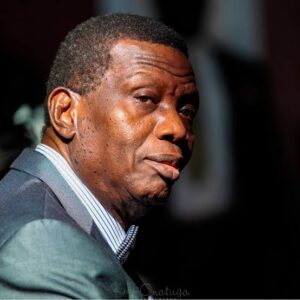
Responding to the EFCC chairman’s address, Adeboye reportedly reaffirmed that the RCCG would not protect anyone found to be involved in financially compromising activities.
He also urged pastors across the church to maintain accurate financial records and ensure their activities remained free from corruption.
The development has brought renewed attention to the responsibility of religious institutions to scrutinise major donations, particularly contributions involving unusually large sums of money.
While charitable giving and religious donations remain important sources of funding for many faith-based organisations, Olukoyede’s warning highlights the potential legal and reputational consequences of accepting funds without establishing their legitimate origins.
For the RCCG, the reported refund presents an important example of how church leadership can respond when financial contributions are flagged by law enforcement authorities.
The message from the EFCC chairman, however, is that religious institutions must ensure financial accountability begins before donations are accepted, rather than waiting until investigators raise questions about their sources.