
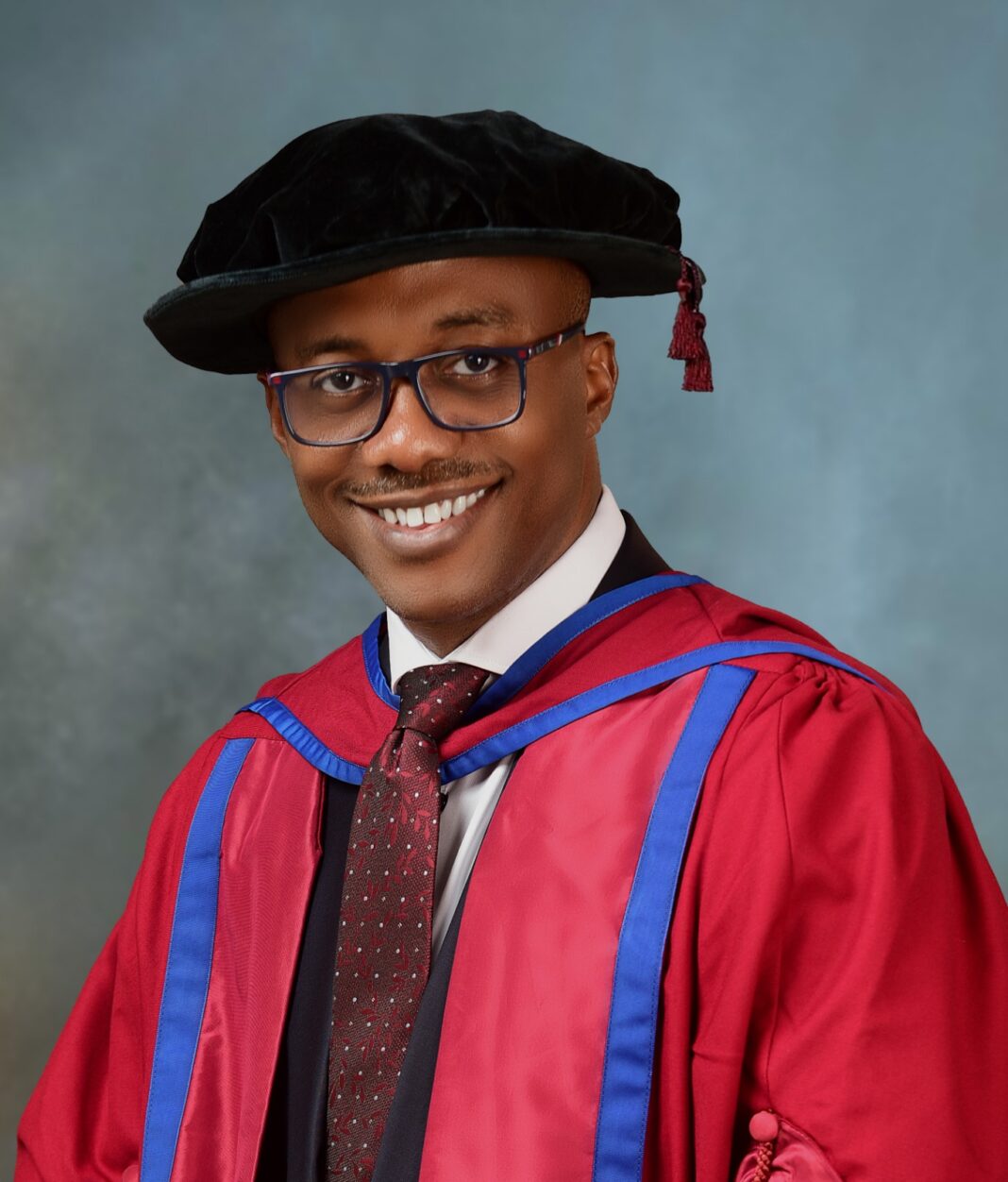
Anticipation is mounting within academic and public health circles as Professor of Public Health, Chima Ariel Onoka, prepares to deliver the 241st inaugural lecture at University of Nigeria, Nsukka on May 14.
In the days leading up to the event, excerpts from his forthcoming lecture – shared on X – have elicited lively debate among colleagues, policy experts, and health advocates, offering a glimpse into what promises to be a thought-provoking presentation.
“If our scholarship cannot survive the reality of Nigerian and global politics, then our research is just a very expensive hobby,” Onoka wrote in one widely circulated post. The statement has since become a rallying point for discussions around the relevance of academic research in real-world policymaking.
Describing his career as that of a “pracademic” – a blend of practitioner and academic – Onoka emphasized his longstanding commitment to bridging the divide between research and policy. “I have spent my career not just studying the system from a distance, but stepping in to integrate evidence into policy, especially for the 200 million Nigerians still waiting for Universal Health Coverage (UHC),” he noted.
He further underscored the urgency of aligning knowledge with action: “Information without advocacy is inert. Advocacy without evidence is dangerous.”
According to him, meaningful progress toward UHC not only strengthens social cohesion but also reduces poverty and fosters healthier, more productive societies. However, he cautioned that such progress demands political courage, evidence-driven discipline, and inclusive collaboration across academia, government, and communities.
Onoka’s central question – whether the real gap lies in evidence, politics, or the will to act – has resonated widely.
Responding to the discussion, public health expert Dr. Christophine Nwakile argued that the gap may stem from the under-recognition of communities as active stakeholders. “Community members are often treated as beneficiaries rather than key players in health interventions,” she observed, expressing eagerness for deeper insights during the lecture.
Similarly, medical doctor and public health advocate Temi A. emphasized the need for both information and strategic advocacy to advance UHC in Nigeria.
Adding another dimension, Amara Onoka highlighted what she described as a disconnect between research and implementation. While acknowledging the abundance of academic research in Nigeria, she argued that much of it remains theoretical and detached from policy processes.
“The real challenge lies in translating evidence into practice,” she noted, calling for more experiential approaches to education and stronger political will to drive change.
For Ferdinand Ogbaji, the issue is multifaceted. He pointed out that gaps exist at every level of the system, requiring comprehensive solutions rather than isolated interventions.
Meanwhile, health systems specialist John Chinonyerem Njoku drew from discussions at the Health Systems Research Conference 2024 in Nagasaki, Japan, where experts examined how evidence is communicated for policy impact. He argued that the challenge is not just generating evidence, but translating it into accessible, policy-relevant formats.
“Policy makers often struggle with scientific jargon and statistical complexity,” he explained. “Pracademics have a critical role in simplifying and packaging evidence to make it actionable.”
As the countdown to May 14 continues, Onoka’s lecture is shaping up to be more than a ceremonial academic exercise. It is expected to confront fundamental questions about the intersection of research, policy, and practice – and perhaps, offer a roadmap for bridging the persistent gap between knowledge and action in Nigeria’s health system.