A fresh political storm is gathering in Kogi State following explosive allegations by a prominent socio-political group that senior political figures are being quietly paid to suppress growing agitation for a gubernatorial power shift ahead of the 2027 elections.
The Council of Kogi West Elders (COKOWE), a body of influential stakeholders from the western senatorial zone, has accused unnamed state actors of orchestrating what it described as a “systematic haemorrhage” of public funds. At the heart of the controversy are claims that a former deputy governor and a serving member of the House of Representatives are beneficiaries of a covert financial arrangement aimed at muting calls for political equity.
According to the group, both men are allegedly receiving monthly payments of ₦100 million, alongside luxury vehicles and foreign currency gifts, in exchange for aligning with efforts to sustain the current power structure in the state.
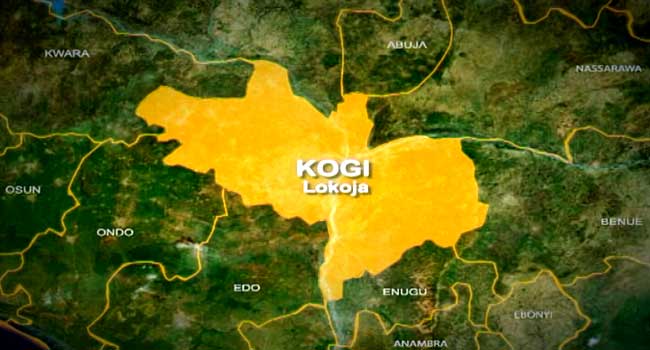
The allegations come at a time when agitation for rotational governance has intensified in Kogi West, a predominantly Okun-Yoruba speaking area that has yet to produce a governor since the state’s creation nearly 35 years ago. In contrast, Kogi East and Central have dominated the governorship, holding power for a combined period of almost three decades.
COKOWE claims the payments are being drawn from the state’s controversial “security vote,” which it says has ballooned in recent months. The group alleges that individuals perceived as influential voices capable of dampening the power shift campaign are being strategically targeted for patronage.
The controversy has further deepened political divisions, especially following public comments by allies of the accused figures indicating support for the re-election of the incumbent governor, Ahmed Usman Ododo. Critics argue that such endorsements undermine the broader push for equity and rotation.
The elders’ council also pointed to similar zoning arrangements recently adopted in other states, where political parties and stakeholders have moved to ensure inclusiveness by rotating leadership among regions yet to hold power.
Describing the alleged payments as a “mindless bazaar,” the group warned that no amount of inducement would quell what it called a legitimate and collective demand for fairness. It emphasized that Kogi West’s electoral significance in past elections justifies its claim to the governorship.
“This is a matter of justice, not charity,” the statement read in part. “The aspiration of Kogi West is non-negotiable.”
As of press time, the individuals named indirectly in the allegations had not publicly responded, and the state government has yet to issue an official statement.
The unfolding developments are expected to heighten political tensions in the state, as stakeholders brace for what could become a defining battle over equity, governance, and the future leadership of Kogi.
