
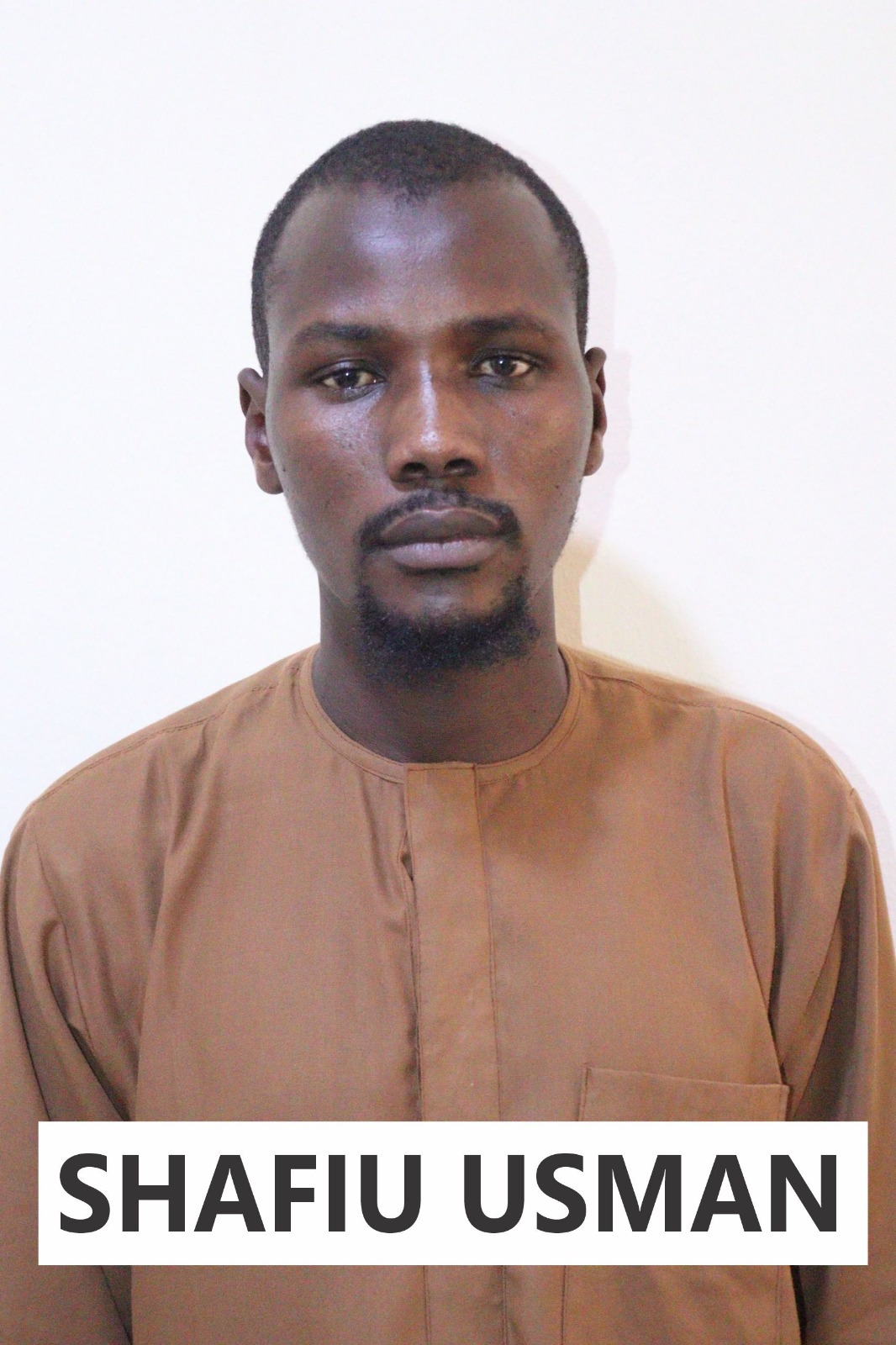
The long arm of the law has finally caught up with the alleged shadowy mastermind behind one of Kogi State’s most chilling church attacks – and the details read like a crime thriller torn straight from the country’s bloody banditry playbook.
Operatives of the secret police, the Department of State Services (DSS), have apprehended Shafiu Usman, the man they believe orchestrated the brazen December 14 assault on the Evangelical Church of West Africa (ECWA) in Aiyetoro, Kogi State, where more than 20 worshippers were kidnapped in a terrifying raid that sent shockwaves through the Christian community.
The quiet agrarian town of Aiyetoro — nestled in Kogi’s central corridor — became a scene of chaos that Sunday when armed men stormed the ECWA church mid-service. Witnesses at the time described sporadic gunfire, screaming congregants, and worshippers dragged into the surrounding bush at gunpoint. The attack mirrored a grim pattern of church abductions that plagued the Middle Belt throughout the mid-2010s, as criminal gangs blurred the lines between ideological terror and profit-driven kidnapping.
Now, more than a decade later, security sources say the alleged architect of that carnage was tracked to a hideout in Gombe State, where he had been “lying low” and quietly evading authorities.
According to insiders, Usman cracked under interrogation.
He allegedly confessed not only to coordinating the Ayetoro church abduction but also to spearheading a string of kidnappings across Niger, Kwara, and Kogi States – part of a wider web of rural terror that has turned highways, farms, and places of worship into hunting grounds for ransom-hungry gangs.
Even more explosive is the name he reportedly dropped: Ibrahim Dange Dattijo – described by security sources as a notorious bandit kingpin operating across Niger, Kwara, Kogi, and Zamfara States. Dattijo is believed to have supplied weapons and ammunition, fueling a deadly partnership that thrived on kidnapping, cattle rustling, and cross-state banditry.
Security insiders paint a picture of a roaming criminal alliance exploiting porous borders between Nigeria’s north-central and north-west regions – areas long plagued by armed groups that evolved from cattle-rustling syndicates into heavily armed kidnapping cartels. In recent years, Zamfara and parts of Niger State have become epicenters of such violence, with criminal networks reportedly moving arms and hostages across state lines to frustrate security forces.
“Shafiu admitted to involvement in kidnapping, banditry, and cattle rustling. He said Ibrahim Dattijo supplied him with arms and ammunition,” a security source revealed.
After the Kogi church attack, Usman allegedly vanished into Gombe State – a region increasingly scrutinized by security agencies as bandit elements seek refuge in quieter northeastern towns.
But the DSS says it never stopped hunting.
Operatives reportedly trailed him through intelligence tracking before swooping in on his hideout in a covert operation. He is now in DSS custody and awaiting arraignment.
The arrest, officials insist, underscores renewed crackdowns on arms trafficking rings and interstate kidnapping syndicates. In recent operations across Gombe and neighboring states, the Service claims it has neutralized weapons supply chains, dismantled cross-border criminal cells, and rescued abducted victims.
For the victims of the Ayetoro ECWA attack – and their families – the arrest may mark a long-awaited breakthrough in a case that once seemed destined to fade into Nigeria’s grim archive of unsolved atrocities.
But as investigators widen their net and the alleged accomplices come into sharper focus, one question lingers ominously: How many more shadowy masterminds are still out there – hiding in plain sight?
