
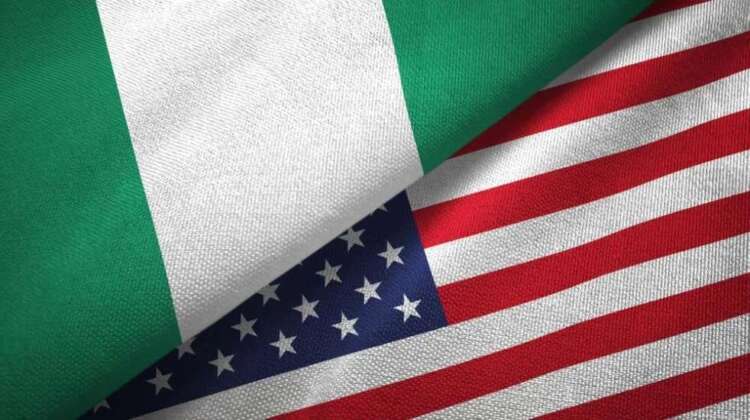
The Federal Government has pushed back against the recent U.S. advisory and operational decisions, shutting down consular services in its Abuja embassy and cautioning its citizens about their movements in-country, arguing that the characterization of Nigeria’s security environment is overstated and not reflective of ongoing improvements.
Nigerian officials emphasized that Abuja remains comparatively secure and have questioned the basis for suspending consular services in the capital. Authorities maintain that significant progress has been made in tackling insecurity through intensified military and law enforcement operations.
The government has also cautioned that such advisories risk creating unnecessary alarm, potentially discouraging investment and undermining international confidence in Nigeria’s stability. Officials have called for more balanced assessments and closer diplomatic consultation before actions that could affect bilateral engagement.
Recall that the US Department of State authorised non-emergency US government employees and their family members to leave the US Embassy in Abuja, citing a deteriorating security situation across Nigeria.
In an updated travel advisory issued on Wednesday, the department noted that, starting April 8, 2026, Americans are advised to reconsider travel to the country due to crime, terrorism, kidnapping, and civil unrest.
The advisory classified the overall travel advisory for Nigeria as “Level 3: Reconsider Travel,” while some states are at “Level 4: Do Not Travel.”
The department also added Plateau, Jigawa, Kwara, Niger, and Taraba states to the list of “Do Not Travel” areas, bringing the total to 23 states where travel is strongly discouraged.
“On April 8, 2026, the Department of State authorized non-emergency U.S. government employees and U.S. government employee family members to leave U.S. Embassy Abuja due to the deteriorating security situation,” the advisory read.
“Reconsider travel to Nigeria due to crime, terrorism, unrest, kidnapping, and inconsistent availability of health care services. Some areas have increased risk,” it added.
Level 4 states that U.S. citizens are urged to avoid include, in the North, Borno, Jigawa, Kogi, Kwara, Niger, Plateau, Taraba, Yobe, and northern Adamawa states, due to terrorism, crime, and kidnapping.
The advisory also listed Bauchi, Gombe, Kaduna, Kano, Katsina, Sokoto, and Zamfara states, citing unrest, crime, and kidnapping.
“The security situation in these states is unstable and uncertain due to civil unrest. Widespread violence between communities and armed crime, including kidnapping and roadside banditry.
“Security operations to counter these threats may occur without warning,” the advisory said.
In Southern and Southeastern Nigeria, the department urged citizens to avoid Abia, Anambra, Bayelsa, Delta, Enugu, Imo, and Rivers states (excluding Port Harcourt) due to crime, kidnapping, and unrest.
“Crime is widespread in Southern Nigeria. There is a high risk of kidnapping, violent protests, and armed gangs,” the advisory added.
The advisory noted that violent crimes, including armed robbery, carjacking, and kidnapping for ransom, are widespread and U.S. citizens are perceived as wealthy and are frequent targets.
It said terrorist attacks remain a threat across the country, including at markets, shopping centers, hotels, places of worship, and public gatherings.
It further described health services in Nigeria as limited and inconsistent, with medical facilities generally not meeting U.S. or European standards.
The State Department, however, urged U.S. citizens considering travel to Nigeria to enroll in the Smart Traveler Enrollment Program for important updates, exercise caution while traveling, avoid demonstrations and large gatherings, and establish personal safety and “proof of life” protocols
Implications for U.S.–Nigeria Relations
The suspension of consular services in Abuja carries significant diplomatic and practical implications for relations between the United States and Nigeria.
First, it signals a decline in U.S. confidence in Nigeria’s internal security environment, particularly in the federal capital, which is typically considered one of the safer regions in the country. Such a move may be interpreted as a diplomatic caution, potentially affecting Nigeria’s international image and investor confidence.
Second, the halt in visa services disrupts people-to-people ties, including travel for education, business, and family reunification. Nigeria has historically been one of the largest sources of U.S. visa applicants in Africa, and prolonged suspension in Abuja could create backlogs, increase pressure on the Lagos consulate, and strain mobility between both countries.
Third, the development may impact bilateral cooperation, especially in areas such as security, trade, and migration. While the U.S. continues to engage Nigeria as a strategic partner in West Africa, these precautionary measures suggest a more cautious and security-driven posture.
Finally, the situation could prompt increased diplomatic engagement between both governments, as Nigerian authorities may seek to reassure the U.S. and the broader international community about steps being taken to address insecurity.
Despite these challenges, both countries are expected to maintain longstanding ties, but the current developments highlight how security concerns can directly influence diplomatic operations and international relations.