
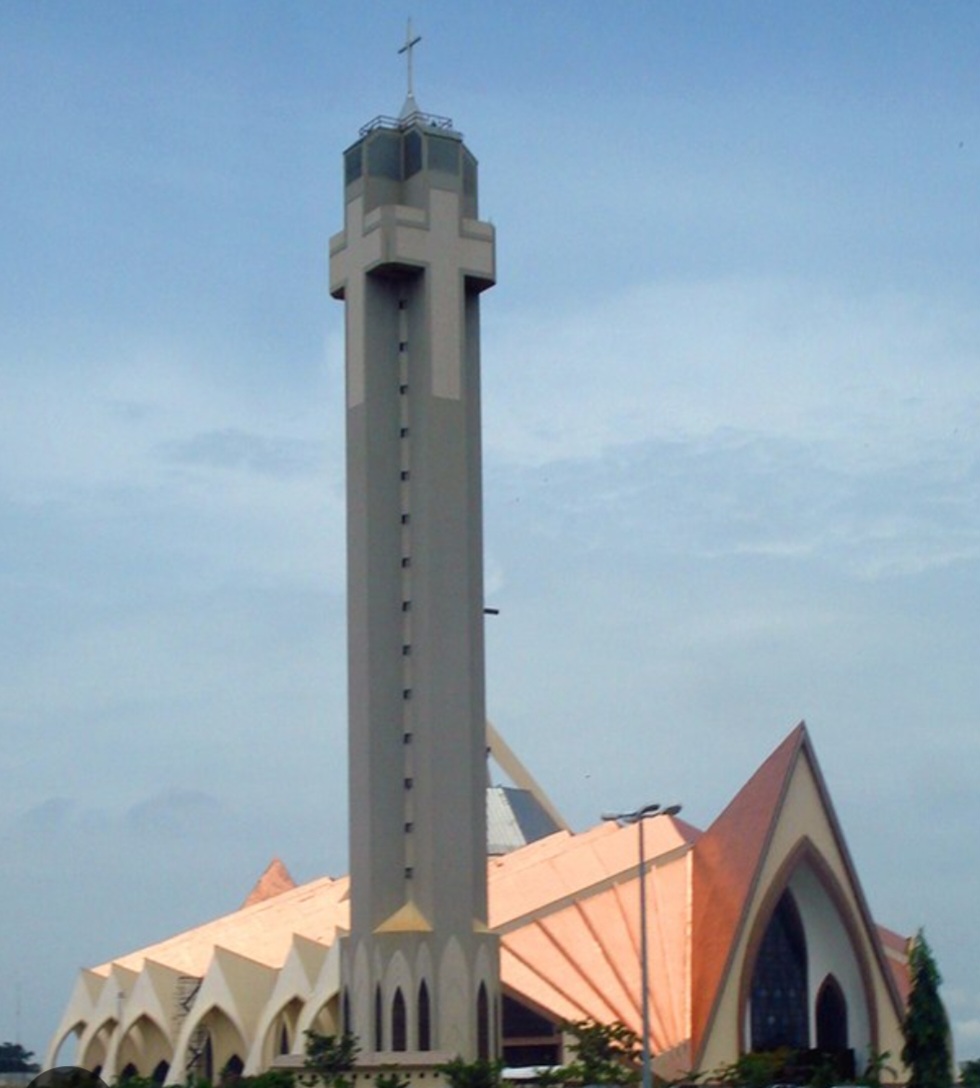
Nigeria has emerged as the deadliest place in the world for Christians, accounting for nearly 70 percent of all faith-related killings recorded globally last year, according to the newly released World Watch List 2026 by the advocacy group Open Doors. The scale and concentration of violence in the country are increasingly fueling international debate and a growing narrative among church leaders and human rights advocates that Christians in parts of Nigeria are facing conditions approaching genocide.
The report documents 3,490 Christians killed in Nigeria alone, out of 4,849 worldwide, with most deaths occurring in the country’s Middle Belt and northern regions. Armed Islamist groups, including factions linked to Islamic State West Africa Province (ISWAP), as well as unidentified militias, are blamed for repeated attacks on villages, churches, and marketplaces. In recent weeks, Open Doors cited the killing of 14 Christians in Adamawa State on December 29 and dozens more in a January 4 market attack in Niger State.
While the Nigerian government disputes claims of genocide, framing the violence as part of broader insecurity affecting multiple communities, Christian leaders argue that the consistent targeting of Christian populations, clergy, and places of worship points to a systematic pattern. “Nigeria is no longer just a hotspot of persecution; it is the epicenter,” said Cristian Nani, Director of Open Doors, speaking at the launch of the report in Rome.
A Global Record of Persecution
The World Watch List 2026 paints a grim global picture. A record 388 million Christians—one in seven worldwide—are now experiencing high levels of persecution or discrimination, an increase of 8 million from the previous year. Of these, 201 million are women and girls, and 110 million are children under 15, groups the report says are disproportionately affected by displacement, sexual violence, forced marriages, and family separation.
Beyond killings, the report recorded:
• 3,632 churches and Christian properties attacked
• 224,129 Christians forced to flee their homes or go into hiding
• A rise in reported cases of abuse, rape, and forced marriage, from 3,944 to 5,202
Sub-Saharan Africa dominates the statistics on deadly violence, driven by a mix of Islamist extremism, weak governance, economic stress, and protracted conflicts. Nigeria is identified as the most severe case, but neighboring countries—including Mali, Burkina Faso, Niger, and the Democratic Republic of the Congo—are also under close watch.
Extreme Persecution Expands
The number of countries classified as having “extreme” levels of persecution has risen from 13 to 15. North Korea remains the most dangerous country in the world to be Christian, where faith is treated as a political crime. Other countries on the extreme list include Somalia, Eritrea, Libya, Afghanistan, Yemen, Sudan, Pakistan, Iran, India, Saudi Arabia, Myanmar, Syria, and Nigeria.
Syria, newly elevated to the “extreme” category, illustrates another dimension of persecution. According to Open Doors, only about 300,000 Christians remain in the country, a dramatic decline from a decade ago, amid political fragmentation and ongoing violence.
Africa’s Growing Burden
Open Doors warns that the “center of gravity” of global Christianity has shifted to Africa—and so has the burden of persecution. Roughly one-eighth of the world’s Christians now live on the continent, where fragile states and armed groups have created conditions of chronic insecurity.
In Nigeria, the combination of religious extremism, land disputes, and state weakness has produced a cycle of attacks that many local Christians say feels existential. As international attention grows, so too does pressure on governments and global institutions to determine whether the crisis should be treated not merely as insecurity or terrorism—but as a crime demanding urgent, coordinated intervention.
For now, the numbers tell a stark story: Nigeria stands at the center of a global surge in anti-Christian violence, and the debate over whether persecution has crossed the line into genocide is no longer confined to advocacy circles—it is moving steadily into the international spotlight.