
The Independent Media and Policy Initiative (IMPI) says Nigeria’s sustained rise in the Purchasing Managers’ Index (PMI) is driving the country’s seventh straight month of slowing inflation—yet households continue to battle a stubbornly high cost of living.
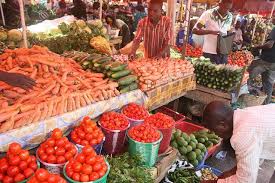
Despite the improvements reeled out by IMPI, many Nigerians say food prices, rent and transport costs remain out of reach—raising concerns about how quickly easing inflation translates into real relief. IMPI acknowledges that the decline “does not immediately resolve household pressures,” but argues it signals a turning point.
In a statement signed by its chairman, Dr. Omoniyi Akinsiju, the think tank said Nigeria has now recorded 11 consecutive months of PMI expansion, a trend it argues is strongly correlated with easing price pressures across the economy.
According to IMPI, its Predictive Regression model, which uses OLS techniques to link inflation to key drivers such as the exchange rate and PMI readings, shows “a consistent pattern of increased productivity and general price reduction” beginning in August 2025.
It stressed that PMI and inflation typically move in opposite directions because “an increase in PMI reflects higher growth momentum across 36 sectors,” ultimately feeding into slower increases in consumer prices. Nigeria’s PMI stayed above the 50-point expansion threshold throughout 2025, rising to 55.4 in October, signalling broad-based growth in output, new orders and employment.
Inflation, while still painfully high for households, has been retreating from its April reading of 23.71% year-on-year, dropping steadily to 16.05% in October. IMPI notes that each month’s marginal PMI increase was mirrored by a modest easing of inflation—until a sharper PMI jump in September pushed inflation down more noticeably from 20.12% to 18.02%.
The group highlighted that the Central Bank of Nigeria’s own PMI numbers reflect the same pattern:
• April: PMI 52.40; inflation 23.71%
• May: PMI 52.1; inflation 22.97%
• June: PMI 52.3; inflation 22.22%
• July: PMI 52.7; inflation 21.88%
The think tank is holding to its earlier projection that inflation will drop to 14% by December, driven by expected PMI expansion in November and December. It also reiterated its forecast that the Central Bank’s Monetary Policy Committee will cut the Monetary Policy Rate (MPR) by an additional 100 basis points to 26% at its meeting on November 24–25, after already trimming it by 50 basis points in September.
“With a softer inflation outlook and growing productive momentum, conditions are aligning for further monetary easing,” IMPI said.
Still, for millions of Nigerians paying more for food, transport and energy than ever before, experts caution that the macroeconomic gains cited by IMPI will take time to register at the kitchen-table level—even if the indicators continue to improve through year-end.