
By Muhammad Musa-Gombe
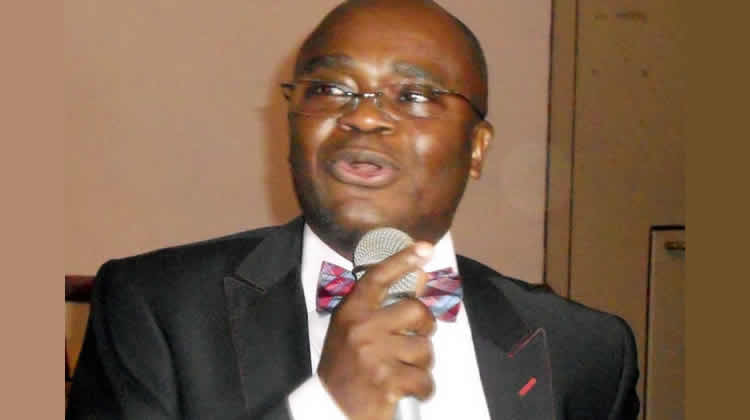
When Dr. Kayode Opeifa assumed office as Managing Director of the Nigerian Railway Corporation (NRC) earlier this year, the announcement drew little public attention. Yet within transport circles, it signalled a notable shift: a figure long associated with Lagos traffic management was moving to a national stage where expectations are high and fatigue from past disappointments runs deep.
The NRC was once a symbol of national integration, its lines threading through towns and rural communities and supporting local commerce. Decades of underinvestment, policy drift, and ageing infrastructure later, the system became more a relic of memory than a driver of mobility. Each leadership transition arrived with promises of revival; each left behind lingering questions and growing rust.
Opeifa’s opening months have been marked by a direct, ground-level approach. Rather than settling into an office routine, he has been visible across stations and tracks, engaging workers, contractors, and passengers. At Lagos’s Iddo Terminal, he confronted the mismatch between memos and reality: dim lighting, malfunctioning toilets, untidy platforms. His directive was immediate—fix the basics. The resulting repairs were modest but signalled a return to operational discipline.
Across the network, small but deliberate steps are emerging. Talks have revived around reopening dormant corridors such as the Jos–Kuru line in Plateau State. The long-stalled Eastern line between Enugu and Port Harcourt is again drawing cautious interest. Freight services—historically the backbone of viable rail systems—have taken on new prominence, particularly along the Lagos–Ibadan corridor, where improved cargo movement could ease pressure on highways and reduce logistics costs.
Inside the NRC, staff unions—often vocal in past disputes—have shown early signs of cooperation with the new leadership. While not a headline-grabbing development, it has helped create an atmosphere conducive to reform in an organisation long hampered by internal friction.
But optimism remains tempered by Nigeria’s long history of interrupted railway reforms. Persistent underfunding, slow procurement processes, and inconsistent maintenance threaten any gains. Plans to acquire new coaches and wagons have raised expectations, but details on timelines, costs, and delivery remain unclear. For a system working to rebuild public trust, transparency will be as important as new equipment.
The deeper challenge lies in maintenance culture. Nigeria’s railway assets have often deteriorated not from catastrophic failures but from the absence of routine repairs. Opeifa has publicly warned against vandalism and theft, but experts note that enforcement must be paired with reliable workshops, adequate spare parts, and improved community engagement to protect infrastructure.
There is also the question of connectivity. Rail lines that do not link effectively to ports, highways, or industrial clusters struggle to deliver economic value. Early consultations with state governments and private operators point toward greater integration, but the impact will depend on sustained collaboration beyond policy statements.
In the months ahead, public assessment is likely to focus on day-to-day experience rather than policy documents. Are trains running on time? Are stations cleaner? Has cargo movement improved between Lagos and Kano? These practical indicators will offer clearer evidence of progress than ceremonial flag-offs.
The NRC’s path to revival may lie less in grand visions and more in consistent delivery—lighting that works, toilets that function, tickets that are fairly issued, and trains that depart and arrive as scheduled. If Opeifa maintains attention on these fundamentals, the corporation may slowly rebuild confidence in a service that once shaped national life.
Nigeria has seen reform cycles rise and fade. Whether this moment becomes another brief upswing or the start of sustained renewal will depend on execution long after the early attention subsides. Opeifa may not be pushing for publicity, but the public is watching—quietly measuring whether the long-promised return of the railway is finally taking shape.
● Musa-Gombe is a media practitioner and public affairs analyst based in Abuja.