
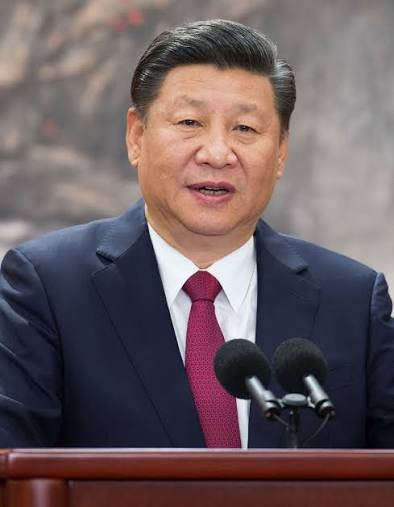
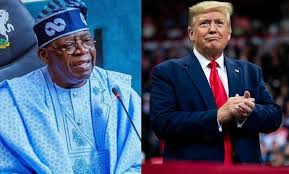
Beijing has entered the growing diplomatic storm swirling around Nigeria with a pointed message to Donald Trump’s administration in the United States: stay out of Nigeria’s internal affairs and refrain from using religion and human rights as pretexts for sanctions or military action.
On a recent press briefing, Mao Ning, Spokesperson for the Ministry of Foreign Affairs of the People’s Republic of China, reaffirmed Beijing’s support for Nigeria’s government. She stated that because Nigeria is “a comprehensive strategic partner” of China, China “firmly supports the Nigerian government in leading its people on the development path suited to its national conditions.”
Mao Ning added that China “firmly opposes any country using religion and human rights as an excuse to interfere in other countries’ internal affairs, and threatening other countries with sanctions and force.”
The message is unmistakable: China is signaling that it sees Nigeria as part of its strategic orbit and will publicly defend its sovereignty against what it views as external coercion.
The U.S. Pressure on Nigeria: What Is Going On?
The backdrop to China’s intervention is the very unusual and escalatory approach taken by Donald Trump, who has labelled Nigeria a “Country of Particular Concern” (CPC) for alleged persecution of Christians. According to media reports, Trump has accused the Nigerian government of turning a blind eye to killings of Christians and has threatened to cut off all U.S. assistance to Nigeria.
He reportedly directed the U.S. Defence Department to prepare for possible military operations in Nigeria, including “boots on the ground” or airstrikes.
The Nigerian government rejects the characterisation that Christians are specifically or primarily being targeted because of their faith. In a statement, Nigeria’s Ministry of Foreign Affairs of Nigeria stated the allegations “do not reflect the true situation in Nigeria.”
The U.S.’s demands appear to be aimed at compelling Nigeria to act—or at least be seen to act—on religious-freedom concerns, under threat of sanctions or worse. This situation has sparked both diplomatic and security ramifications for Nigeria.
Why China’s Intervention Matters
China’s public backing of Nigeria is significant on several fronts:
Strategic Partnership: China and Nigeria have elevated their ties to a “comprehensive strategic partnership” and have reaffirmed mutual support on core issues such as sovereignty and development.
Regional Influence: Nigeria is a leading power in West Africa (via Economic Community of West African States) and a key player in the Global South. China sees anchoring Nigeria firmly in its camp as bolstering its influence in Africa.
Message to the West: By taking this stance, China is signalling that it opposes unilateral intervention or coercive diplomacy—especially by Western states—in countries of the Global South, when framed under human-rights or humanitarian pretexts.
Economic & Security Stakes: China has extensive economic ties with Nigeria—from infrastructure and energy deals to trade. It also supports Nigeria’s efforts in security and defence cooperation.
Given this context, China’s statement acts not only as support to Nigeria but as a broader statement of principle about global order, sovereignty, and how “core interests” should be respected.
Nigeria’s Position & the Complexity of the Situation
From Nigeria’s side:
The federal government has rejected the idea that there is an organised campaign of religious persecution against Christians in Nigeria. Instead, it frames the violence as part of broader security challenges (terrorism, banditry, communal clashes) not primarily driven by religion.
Nigerian officials have also cautioned that mischaracterising the violence purely as religious persecution risks external intervention or damaging Nigeria’s international reputation.
At the same time, Nigeria has longstanding security problems—especially in the north, with extremist insurgents like Boko Haram and so-called “bandit” groups, and communal-herder conflicts. The victims of violence have included both Christians and Muslims.
Thus, the situation is multilayered: religious freedom concerns, internal insecurity, external pressure, and geopolitical alignments all intersect.
Implications & Possible Outcomes
Here are several potential implications and scenarios to watch:
Diplomatic strain U.S.–Nigeria: If the U.S. proceeds with sanctions or threats of military intervention, Nigeria may find itself forced into a difficult diplomatic posture—resisting external interference while managing internal unrest.
Nigeria leaning more into China: With China’s public backing, Nigeria may deepen its alignment with Beijing, especially if Western pressure becomes more intense or conditional. China’s continued investment and security cooperation may be attractive alternatives.
Regional ripple effects: As Nigeria plays a central role in West Africa (ECOWAS) and regional security, any escalation—military, diplomatic, or economic—could affect neighbouring states and broader stability.
Precedent for intervention: If the U.S. acts on its threats, this could set a precedent regarding interventions under the banner of religious freedom or human rights. China’s statement seeks to counter that precedent.
Internal Nigerian politics: Domestically, the Nigerian government may feel pressure to respond more visibly to security and religious-freedom concerns to avoid being isolated or sanction-targeted. But overreaction or missteps could fuel internal tensions.
There are fundamental questions that have arisen from the scenario on ground:
Will the U.S. follow through with sanctions or military planning, or is the current posture largely rhetorical?
How will Nigeria respond on both diplomacy and internal security? Will it shift closer to China or try to moderate tensions with the U.S.?
Can China’s backing provide Nigeria with practical support (economic, security) substantial enough to offset Western pressure?
How will other regional actors (in Africa, Global South) respond—will they side with Nigeria/China or the U.S.?
Will this affect Nigeria’s internal cohesion and stability—particularly how it handles religious and security challenges?