
The Executive Secretary of the National Human Rights Commission (NHRC), Dr. Tony Ojukwu, SAN, has raised a serious concern over the growing impact of displacement on children in Nigeria. According to him, over 17,000 children—outnumbering adults—have been identified as the most vulnerable among Forcibly Displaced Persons (FDPs) and Internally Displaced Persons (IDPs) across the country.
Dr. Ojukwu made this revelation during the presentation of the August–September 2025 Human Rights Dashboard, a key event under the NHRC/UNHCR Project on the Promotion and Protection of the Rights of Forcibly Displaced Persons in Nigeria.
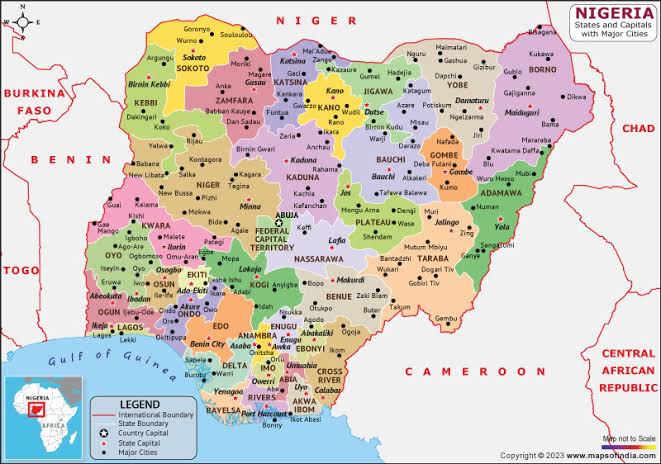
The dashboard continues to serve as a vital tool for documenting, analyzing, and responding to the human rights challenges faced by IDPs, refugees, asylum seekers, and returnees across eleven states: Adamawa, Akwa Ibom, Benue, Borno, Cross River, Taraba, Kano, Katsina, Sokoto, Yobe, and Zamfara.
Alarming Data on Vulnerability
Providing insights into the latest data, Dr. Ojukwu stated that over 37,000 individuals and 5,600 households were reached under the IDP category alone within just two months. He emphasized that the data reflects pressing needs in areas such as education, healthcare, food, documentation, freedom of movement, and protection from violence.
Most notably, 17,683 children were documented—highlighting the disproportionate impact of displacement on minors. “This underscores the extreme vulnerability of children caught in this prolonged crisis,” he said.
Access to Rights Still a Major Challenge
The two most reported human rights issues were Access to Socio-Economic Rights and Access to Education, with 674 and 700 cases respectively. Dr. Ojukwu, whose speech was delivered by NHRC Director of Monitoring, Dr. Benedict Agu, warned that the lack of access to education poses a serious long-term threat to national peace and development.
“The over 700 cases related to education—whether due to teacher shortages, security fears, or lack of learning materials—reveal a generation at risk. We cannot overstate the urgency of addressing this issue,” he said.
Gender-Based Violence Still Rampant
The report also sheds light on the persistence of Gender-Based Violence (GBV) among displaced populations. Field officers documented numerous cases of rape, sexual abuse, domestic violence, and harassment across multiple states.
Dr. Ojukwu called for a stronger protection framework to ensure that survivors receive immediate legal and medical support and that perpetrators are swiftly brought to justice.
A Call for Coordinated Action
He urged both government and non-governmental actors to realign their efforts and resources to the most critical needs identified, particularly in Zamfara, Benue, and Kano States—with a focus on food security, shelter, healthcare, and education.
“The needs are clear. What we must do now is act with urgency and coordination,” he concluded.