
The Federal Government is undertaking a comprehensive review of the list of 175 individuals recently granted presidential clemency by President Bola Ahmed Tinubu, following widespread public criticism over the inclusion of several convicted murderers, drug traffickers, and other high-profile offenders.
This initiative, which was initially presented as an act of compassion and justice reform, has come under intense scrutiny after it emerged that nearly 40% of the beneficiaries were involved in narcotics trafficking. There were others in serious crimes, including murder, armed robbery, fraud, and illegal arms possession.
GOVERNMENT’S RESPONSE: NO RELEASE YET
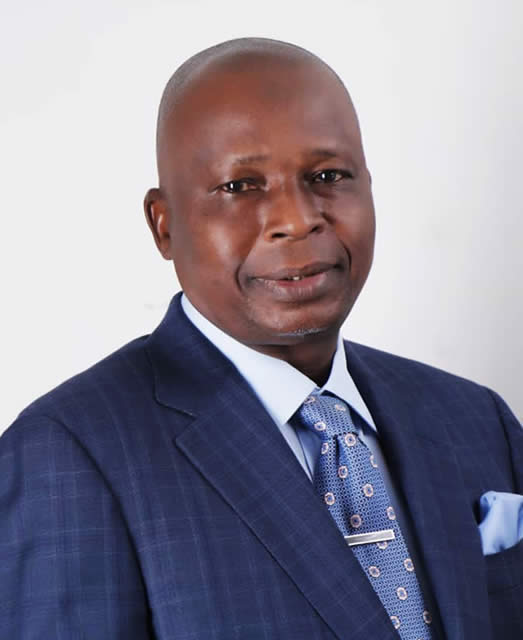
In a damage-control move, the Office of the Attorney-General of the Federation and Minister of Justice, Prince Lateef Fagbemi (SAN), issued a public statement clarifying that none of the individuals granted presidential mercy have been released. He noted that the process is still at the final administrative stage, undergoing legal and procedural checks.
“This verification process is part of the standard protocol and reflects the government’s commitment to transparency and due diligence,” Fagbemi stated, emphasizing that “there is no delay in the process—it is simply following the law to the letter.”
WHAT PROMPTED THE CONTROVERSY?
Last Thursday, President Tinubu granted clemency and pardons to 175 individuals. The list included drug offenders, capital offenders, illegal miners, and some convicted public officials, as well as posthumous pardons for historical figures like Ken Saro-Wiwa, Herbert Macaulay, and Major General Mamman Vatsa.
According to Bayo Onanuga, Special Adviser to the President on Information and Strategy, many of the beneficiaries had shown remorse, acquired new skills in prison, or had health or age-related challenges.
However, the inclusion of notorious convicts—such as Maryam Sanda, sentenced to death for killing her husband; Professor Magaji Garba, jailed for corruption; Ex-Corporal Michael Bawa, convicted of murder; and a long list of drug traffickers and armed robbers—sparked widespread criticism and allegations of undermining justice and the rule of law.
FULL BREAKDOWN OF THE PRESIDENTIAL MERCY LIST
The 175 beneficiaries were split into several categories:
1. FULL PARDONS (17 TOTAL)
These include:
• Former public officials convicted of corruption, e.g. Farouk Lawan and Dr Nwogu Peters.
• Notorious cases, including Maryam Sanda and Barr. Hussaini Umar.
• Posthumous pardons for nationalists and executed coup plotters like:
• Sir Herbert Macaulay (colonial-era conviction).
• Ken Saro-Wiwa and the Ogoni Eight (executed under Abacha).
• Major General Mamman Vatsa and Major Akubo (coup allegations in 1986).
2. CLEMENCY (82 TOTAL)
These inmates had their sentences either shortened, reduced, or conditions adjusted due to factors such as:
• Remorsefulness and good conduct.
• Enrolment in the National Open University.
• Advanced age or deteriorating health.
This list includes a wide range of offences, from minor cannabis possession to homicide and fraud, as well as illegal mining.
Notable names:
• Maryam Sanda: Death sentence commuted. Advocates cited her children and her good conduct in custody.
• Illegal Miners: 70+ individuals convicted in 2024 alone received clemency. Senator Ikra Aliyu Bilbis signed an undertaking to rehabilitate and empower them.
• Drug traffickers: Dozens, including international cases, received commutations. Many were caught with heroin, cocaine, tramadol, and cannabis.
3. COMMUTATIONS (65 TOTAL)
In this category, prison terms were reduced due to various factors. Examples:
• Culpable homicide convicts had 20–25-year sentences reduced to 10–13 years.
• Kidnapping convicts, including Kelvin Oniarah Ezigbe and Frank Azuekor, had sentences slashed for showing remorse.
• Drug traffickers serving up to 20 years had their terms commuted to 10 years or less.
4. DEATH ROW TO LIFE IMPRISONMENT (7 TOTAL)
Seven inmates previously sentenced to death had their punishments commuted to life imprisonment, including:
• Emmanuel Baba, Moses Ayodele Olurunfemi, and Mohammed Umar.
• The government cited “good conduct” and “remorse” as reasons.
REACTIONS AND BACKLASH
Public backlash was swift, especially from human rights groups, anti-corruption advocates, and citizens concerned about the implications of granting clemency to individuals convicted of heinous crimes.
Critics argue that while some degree of leniency can be part of a rehabilitative justice system, extending it to individuals involved in murder, drug cartels, armed robbery, and corruption at the highest levels sends a damaging message about the value of justice and deterrence.
The high percentage (approximately 40%) of drug-related or violent crime offenders on the clemency list has sparked fears of legitimizing or rewarding crime under the guise of rehabilitation.
GOVERNMENT’S DEFENCE
Officials defend the move as a constitutional exercise of the President’s prerogative of mercy, insisting it followed legal procedures and advice from the Presidential Advisory Committee on Prerogative of Mercy, chaired by the Attorney-General himself.
They also emphasized the Council of State’s approval and reiterated that no inmates have been released yet, pending final legal verification.
“The rule of law does not rush; it ensures fairness,” Fagbemi concluded, urging Nigerians to view the exercise as part of the nation’s justice reform process.
LOOKING AHEAD
As the legal review of the clemency list continues, all eyes remain on the Attorney-General’s office and President Tinubu, with many awaiting a final decision on whether the full list of 175 will stand or be revised.
In the meantime, the controversy underscores the delicate balance between justice, rehabilitation, and public interest, especially in a nation grappling with crime, corruption, and a fragile justice system.