
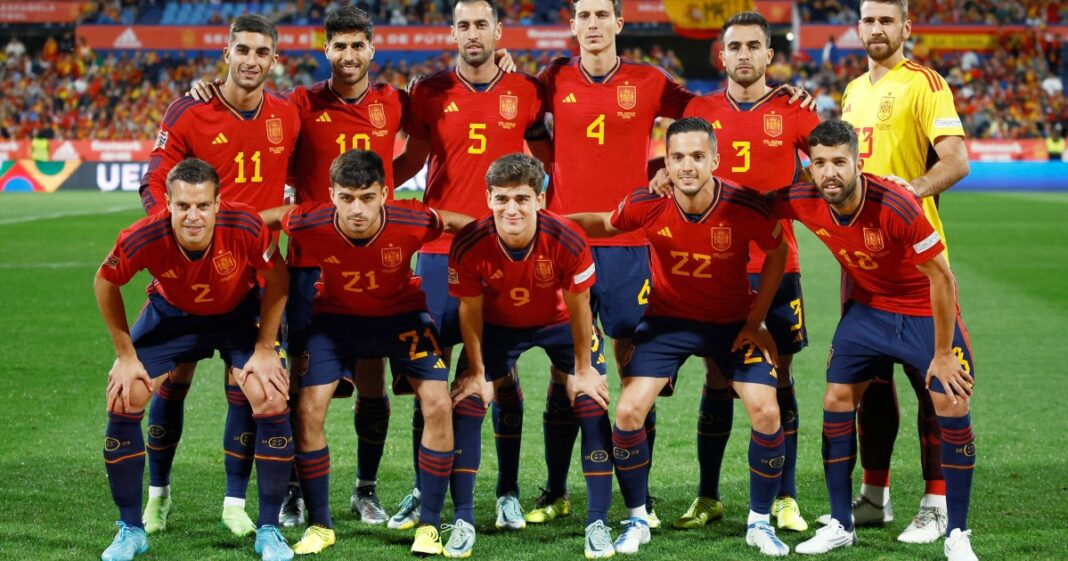
Spain has issued a stark warning: it may withdraw from the 2026 FIFA World Cup if Israel is allowed to take part in the tournament.
The reigning European champions, considered one of the early favourites, have cast uncertainty over their involvement amid growing political tensions. Their potential absence would be a major blow to the tournament, which is set to be the largest in history.
The 2026 World Cup will be co-hosted by the United States, Canada, and Mexico, with 48 nations competing. So far, only 18 teams have officially qualified. A boycott by Spain — a powerhouse in world football — would overshadow the event and raise serious questions about the role of politics in sport.
This move echoes a long history of politically driven withdrawals from major tournaments. In 1934, Uruguay boycotted the World Cup in Italy, protesting the lack of European participation in the inaugural 1930 tournament held in Montevideo. That same year, the British nations also opted out, prioritizing their Home Championship.
Argentina followed suit in 1938, refusing to participate after FIFA handed hosting rights to France instead of rotating back to South America. In 1950, India pulled out of the World Cup, citing financial constraints and lack of preparation — though myths about players being banned from playing barefoot have persisted.
The Soviet Union’s refusal to play Chile in 1974, following General Pinochet’s coup, remains one of the more dramatic moments in World Cup history. Chile qualified by default after taking the field alone in an empty stadium.
Africa’s boldest stand came in 1966, when all African nations withdrew in protest over FIFA’s refusal to guarantee the continent a World Cup spot. The boycott eventually led to reforms and greater representation for African teams.
More recently, Russia has been suspended from all FIFA competitions since 2022 following its invasion of Ukraine.
Spain’s warning now brings the spotlight back to the uneasy intersection of politics and sport. Having dominated their qualifiers, Spain’s potential boycott would not only reshape the competitive landscape but reignite debate about how global football navigates geopolitical fault lines.