
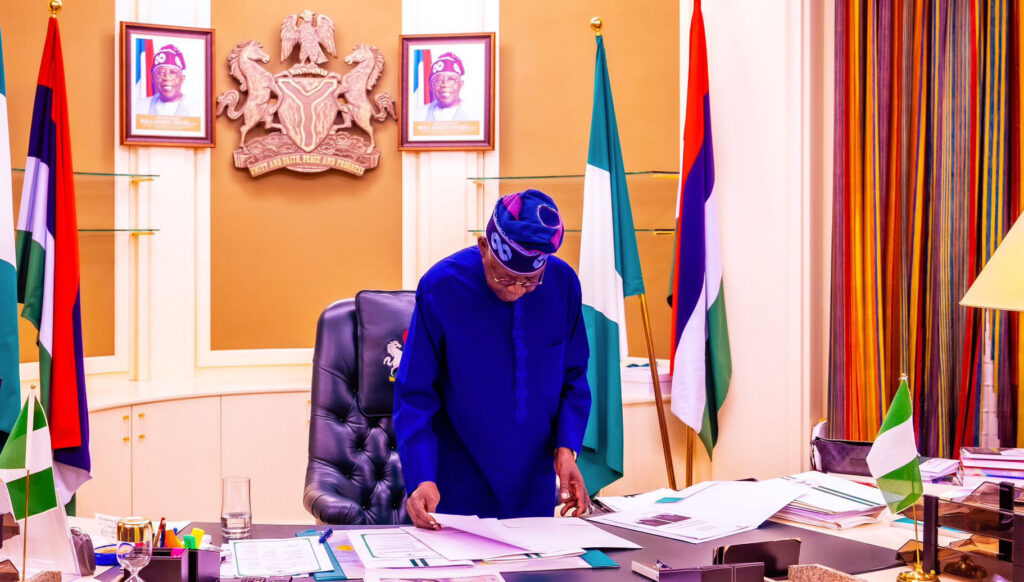
The Socio-Economic Rights and Accountability Project (SERAP), along with four concerned Nigerians, has filed a lawsuit against President Bola Tinubu’s administration over its failure to publish the forensic audit report of the Niger Delta Development Commission (NDDC). The report allegedly implicates top officials and politicians in the disappearance of N6 trillion from the Commission between 2001 and 2019.
In 2019, following widespread allegations of corruption within the NDDC, then-President Muhammadu Buhari ordered a forensic audit of the Commission’s operations. More recently, Minister of the Federal Capital Territory (FCT), Nyesom Wike, claimed that the wife of a former minister received N48 billion within a year to “train Niger Delta women.”
The plaintiffs in the case are Prince Taiwo Aiyedatiwa, Chief Jude Igbogifurotogu Pulemote, Ben Omietimi Tariye, and Princess Elizabeth Egbe. The case, filed last Friday at the ECOWAS Community Court of Justice in Abuja (Suit No. ECW/CCJ/APP/35/25), seeks a declaration that the government’s refusal to release the audit report constitutes a violation of Nigeria’s international human rights obligations.
The plaintiffs are requesting an order compelling the Nigerian government to:
●Publish the NDDC forensic audit report.
●Guarantee public access to the report.
●Implement effective measures to ensure transparency and accountability in NDDC spending.
They argue that withholding the report undermines the public’s right to know and perpetuates impunity and cover-ups of serious corruption allegations. According to them, access to such information is a key component of freedom of expression and public participation in governance.
The suit, filed by lawyers Kolawole Oluwadare, Kehinde Oyewumi, and Andrew Nwankwo, states:
“There is an overriding public interest in disclosing the NDDC forensic audit report. Continued secrecy denies citizens the opportunity to scrutinize government actions, weakens the rule of law, and violates the plaintiffs’ rights.”
The plaintiffs emphasize that the information is not classified or related to national security, but rather involves issues of transparency, accountability, and human rights. They cite Article 9 of the African Charter on Human and Peoples’ Rights and Article 19 of the International Covenant on Civil and Political Rights—both ratified by Nigeria—as guaranteeing the right to access public information.
They further argue:
●The Nigerian government has failed to justify withholding the report.
●Public access is essential to democratic participation and the fight against corruption.
●The right to information should be the norm, with secrecy being the exception and subject to strict legal standards.
They also note that any limitation on access must be lawful, necessary, proportionate, and in pursuit of a legitimate aim, in line with international human rights law. Arbitrary restrictions, they argue, are incompatible with Nigeria’s legal obligations and deny victims of corruption the right to a remedy.
No date has yet been set for the hearing of the case.