
The National Judicial Council (NJC) has taken sweeping disciplinary and administrative decisions, including the compulsory retirement of 10 judges in Imo State, the appointment of two new State Chief Judges, and the recommendation of 18 other judicial appointments across the country.
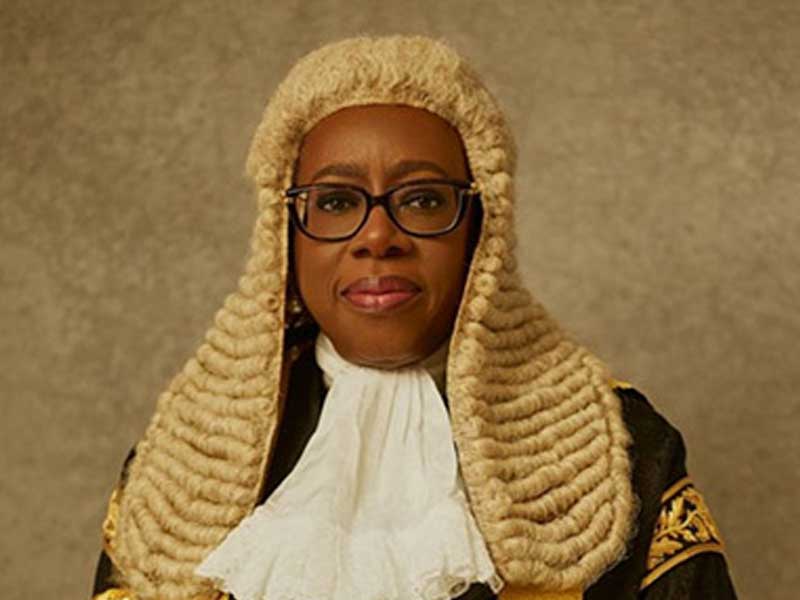
The decisions were announced following the NJC’s 109th meeting held on June 25, 2025, under the chairmanship of the Chief Justice of Nigeria, Hon. Justice Kudirat M. O. Kekere-Ekun, GCON.
10 Judges Dismissed Over Age Falsification
In a landmark decision, the NJC recommended the compulsory retirement of nine judges of the Imo State Judiciary for falsifying their dates of birth to unlawfully extend their tenure. A tenth judge, Hon. Justice T. N. Nzeukwu, was sanctioned for making himself available for appointment as acting Chief Judge despite being fourth in the judicial hierarchy—a move found to violate Section 271(4) of the 1999 Constitution.
Those retired over age falsification include:
High Court Judges: Justices M. E. Nwagboso, B. C. Iheka, K. A. Leaweanya, Okereke Chinyere Ngozi, and Innocent Chidi Ibeawuchi
Customary Court of Appeal Judges: Justices Tennyson Nze, Ofoha Uchenna, Everyman Eleanya, and Rosemond Ibe
The NJC, however, cleared some judges of similar allegations, either due to lack of evidence or because the discrepancies were judged to be unintentional and to the judges’ disadvantage.
Imo Acting CJ Controversy
Justice T. N. Nzeukwu’s appointment as acting Chief Judge was declared improper, and the NJC reiterated its directive to Governor Hope Uzodinma to swear in the most senior judge in the state as acting Chief Judge. The President of the Customary Court of Appeal, Hon. Justice V. U. Okorie, was absolved of any wrongdoing in the matter.
New Judicial Appointments
The NJC has recommended:
Hon. Justice Adekanye Lekan Ogunmoye as Chief Judge of Ekiti State
Hon. Kadi Abba Mammadi as Grand Kadi of Yobe State
Mainasara Ibrahim Kogo Umar, Esq. as Chairman of the Code of Conduct Tribunal
Additionally, 18 new judicial officers were recommended for appointment across various courts and jurisdictions, including in Cross River, Ogun, Zamfara, Katsina, Plateau, Ebonyi, and others.
Disciplinary Actions
Hon. Justice Isaac J. Essien of the National Industrial Court was barred from promotion for three years for judicial misconduct in a case involving the Nasarawa State Government. The NJC found that Justice Essien acted improperly by issuing a controversial judgment despite a pending appeal and engaging in self-interest behavior relating to unpaid gratuities from a former employer.
Other disciplinary actions included:
Caution for Justices Rahman A. Oshodi and Daniel Okungbowa for misuse of judicial discretion
Final warning for Hon. Justice G. B. Okolosi (Delta State High Court) for repeated violation of constitutional time limits in delivering judgments
Caution for Hon. Justice Sa’adatu I. Mark (Federal High Court) for delayed judgment
Petitions and Public Complaints
The NJC reviewed 30 new petitions, dismissing 22 for lack of merit and escalating four for further investigation. Notably, the Council exonerated Hon. Justice M. A. Ikpambese, Chief Judge of Benue State, of allegations believed to be politically motivated. The Attorney-General of Benue, Fidelis Bemsen Mnyim, who filed one of the petitions, is to be reported to the Legal Practitioners’ Disciplinary Committee.
Four additional judges were cleared of allegations:
Justices A. M. Liman, S. A. Amobeda, Muhammad Auwal Haruna, and Binta Fatima Murtala Nyako
In a rare move, the NJC also blacklisted a serial petitioner, Peter N. Ekemezie, from submitting any further petitions to the Council.
Transparency and Reform
The Council reiterated its commitment to transparency, referencing its April 2025 decision to publish names of judicial candidates for public feedback. Out of 86 public responses received, 85% were favorable. The NJC affirmed that credible complaints—when properly documented—can influence judicial appointments.
Conclusion
The NJC’s latest decisions underscore its ongoing efforts to sanitize Nigeria’s judiciary, enforce discipline, and ensure that appointments and promotions are grounded in merit, integrity, and constitutional compliance.
