
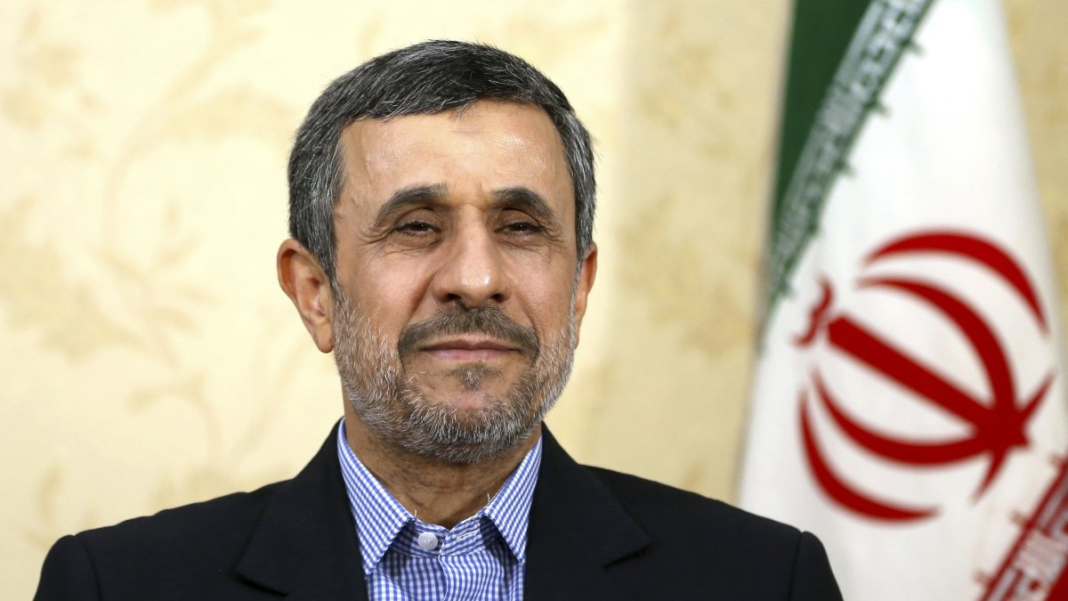
The Middle East is once again on a knife’s edge after explosive claims from Iranian sources that former president Mahmoud Ahmadinejad was killed in a missile strike allegedly carried out by Israel with backing from the United States.
The reports, first circulated by Iranian-linked outlets, allege that Ahmadinejad died alongside members of his security detail in what is being described as a precision strike. However, as of the latest international coverage, there has been no independent confirmation from major global news organisations — and silence from both Washington and Jerusalem.
In Tehran, officials have offered few details, declining to specify the exact location or timing of the alleged attack. The lack of clarity has only deepened speculation in a region already simmering with hostility.
Ahmadinejad, who led Iran from 2005 to 2013, became a lightning rod for international controversy during his presidency, fiercely defending Iran’s nuclear ambitions and repeatedly clashing with Western powers. Though no longer in office, he remained a prominent – and polarising – political figure.
State media have focused on condemning what they describe as “Zionist aggression,” further inflaming rhetoric.
Tel Aviv and Washington: No Comment
In Tel Aviv, officials have declined to respond directly to the allegations. The United States has similarly refrained from comment, neither confirming nor denying involvement.
The muted reaction has done little to calm fears of escalation. Analysts warn that even unverified reports of such a high-profile killing could trigger retaliatory action from Iran or its regional allies.
Attention has quickly turned to Hezbollah, the powerful Iran-aligned militia in Lebanon, which has previously vowed to respond to any direct Israeli strike on senior Iranian figures. Northern Israel remains on heightened alert amid concerns that rocket fire or cross-border clashes could erupt with little warning.
Shipping lanes are also under scrutiny. The strategically vital Strait of Hormuz — through which a significant portion of the world’s oil passes — could become a flashpoint if Tehran seeks leverage against Western interests.
The United Nations has previously urged restraint amid rising Israel-Iran tensions, warning that a direct confrontation could ignite a regional war involving Lebanon, Syria, Iraq and the Gulf states.
Diplomatic observers caution that misinformation and psychological warfare are now central features of Middle East conflicts. Until verifiable evidence emerges, the reported death of Ahmadinejad remains unconfirmed.
Whether the reports prove true or false, the mere suggestion of a targeted strike on a former Iranian president underscores just how combustible the region has become.
With shadow wars, proxy militias and missile arsenals at the ready, one thing is certain: the Middle East is once again staring into the abyss – and the world is watching.
