The Nigeria Football Federation (NFF) has dismissed widespread reports claiming that world football’s governing body has ruled on Nigeria’s protest against Fédération Internationale de Football Association (FIFA) concerning the eligibility of several DR Congo national football team players.
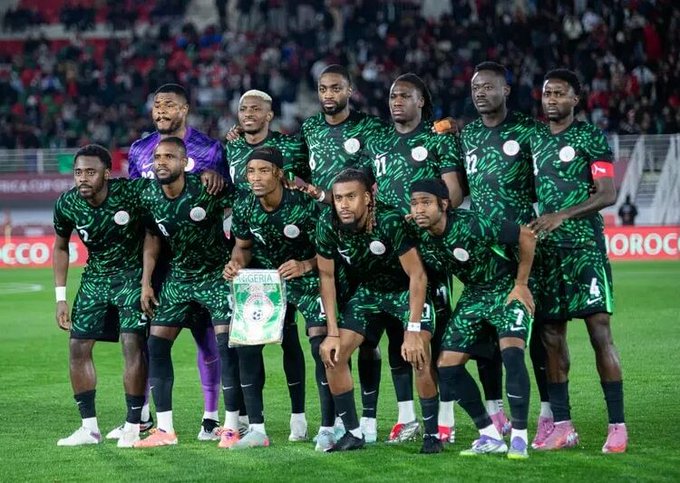
The dispute stems from Nigeria’s dramatic elimination in the final round of the African play-offs for the 2026 FIFA World Cup. The Super Eagles, were knocked out on penalties by the Leopards last November, ending their hopes of advancing to the intercontinental play-off stage.
In the aftermath, the NFF lodged a formal complaint with FIFA, questioning whether certain Congolese players were eligible to represent their country. The federation’s argument centres on Congolese nationality law, which largely does not recognise dual citizenship for adults. NFF officials allege that some DR Congo players may have retained European nationalities — including Belgian, English, French or Dutch passports — without formally renouncing their previous citizenship.
However, the NFF has now moved to quell online speculation that FIFA has already ruled on the matter. Ademola Olajire, the federation’s Director of Communications, described circulating claims of a decision — whether in favour of Nigeria or DR Congo — as “false and misleading.”
“There is no decision from FIFA at this time,” Olajire said, stressing that neither the NFF nor the Congolese federation has received official communication from Zurich.
The clarification follows the circulation of fabricated letters and social media posts alleging that FIFA had awarded Nigeria a 3–0 victory and reinstated the Super Eagles into the qualification pathway. The NFF warned supporters to disregard such documents as fake.
NFF General Secretary Mohammed Sanusi said the federation’s concern is not merely about dual nationality itself, but about whether accurate information was supplied to FIFA during the player clearance process.
“As far as FIFA is concerned, once you have the passport of your country, you are eligible,” Sanusi said. “Our concern is whether FIFA may have been misled in granting that clearance.”
Under FIFA regulations, eligibility to represent a national team is primarily determined by possession of a valid passport and compliance with the organisation’s statutes on nationality switches. FIFA’s rules do not automatically defer to domestic citizenship restrictions if a player holds valid documentation at the time of registration.
For its part, the Fédération Congolaise de Football Association has rejected Nigeria’s claims, insisting that all players fielded were properly cleared under FIFA rules. Hérita Ilunga, the federation’s Director of Football, urged Nigeria to accept the result on the pitch.
On social media, the Leopards struck a defiant tone, suggesting that matches should be settled by performances rather than legal challenges.
FIFA retains the authority to investigate allegations of document falsification or misrepresentation.
Should any wrongdoing be established, sanctions could range from player suspensions to match forfeitures or even expulsion from competitions.
Historically, however, FIFA has relied on documentation provided by national associations and the validity of passports presented during the eligibility process.
For now, the matter remains under review. The NFF says it will await formal communication from FIFA before making further public statements.
Until a ruling is issued, Nigeria’s World Cup pathway remains closed — and speculation over a reversal of the play-off result remains just that: speculation.
