
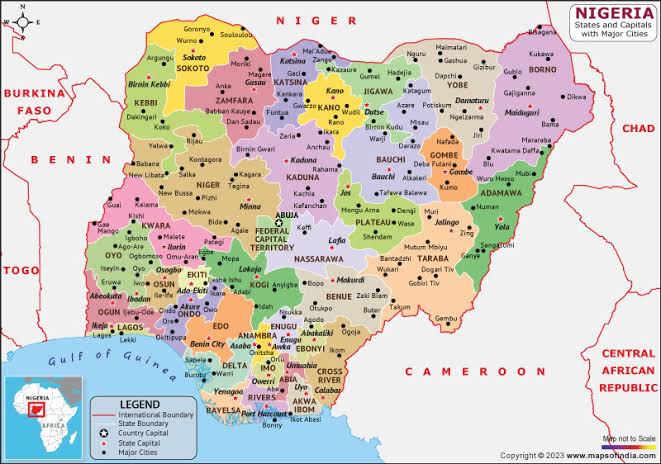
In fits and starts, electricity was being restored on Friday after millions of were left without power after the national electricity grid suffered a total collapse, marking the first such failure of the year and triggering a nationwide blackout.
According to real-time data released by the Nigerian Independent System Operator (NISO), electricity generation on the grid tumbled sharply in the early afternoon, with generation falling from around 4,500 megawatts to as low as 20–24 megawatts by about 1:20 p.m. on Friday. By mid-afternoon, load allocation to all 11 electricity distribution companies (DisCos) — including Abuja, Eko, Benin, Enugu, Ikeja, Jos, Kaduna, Kano, Port Harcourt, Ibadan and Yola — had fallen to zero, effectively cutting power to homes, businesses and public institutions nationwide.
In an official notice posted on its verified X (formerly Twitter) account, the Nigeria National Grid confirmed the rapid loss of generation capacity, with all 23 grid-connected power plants reportedly losing output during the system disturbance. Only the Ibadan Electricity Distribution Company (IBEDC) briefly recorded a nominal allocation of about 20 MW, while all other DisCos recorded zero megawatts at the height of the outage.
The Transmission Company of Nigeria (TCN), which is responsible for operating the national grid, had not released a full explanation for the collapse as of Friday evening. Efforts were underway to restore supply across affected regions, with some DisCos — including Eko Electricity Distribution Company — reporting progressive restoration of service later in the day.
Friday’s blackout adds to a worrying pattern of grid instability that has plagued Nigeria’s power sector for years. The latest collapse occurred less than a month after a similar grid failure on December 29, 2025, which also left large parts of the country in darkness. In total, the national grid is reported to have collapsed more than a dozen times during 2025 alone.
Analysts and industry insiders point to chronic weaknesses in transmission infrastructure, technical faults, and fluctuations in generation capacity as contributing factors to the frequent outages. Past investigations by NISO have linked previous collapses to issues such as gas supply shortages for thermal plants and tripping of key transmission lines, emphasizing the grid’s vulnerability to external disruptions.
The repeated system failures have sustained concerns among Nigerians, businesses and energy experts about the resilience of the country’s power network and the effectiveness of sector reforms that have been underway for over a decade. Despite incremental improvements in generation and periodic infrastructure upgrades, the transmission network remains a critical weak link, limiting the grid’s ability to reliably meet rising demand.
