
Barely days after more than 40 people were slaughtered in Niger State, Nigeria’s terror map lit up again — this time across Kwara, Katsina and Kaduna, in what security watchers describe as a coordinated blowback to intensified military operations and renewed Western — particularly U.S. — security pressure across the Sahel.
From palace raids to night-time abductions, from ransom calls to hidden roadside bombs, the message from the attackers was unmistakable: they are hitting back, harder and wider.
Kwara: Palace Targeted, Community Emptied
The first shockwave hit Adanla community in Ifelodun Local Government Area of Kwara State.
According to eyewitness accounts, six armed terrorists stormed the palace of the traditional ruler, Oba David Oyerinola, shouting repeatedly: “Where is the Kabiyesi? Where is the Olori?”
They missed their prime target by minutes. The monarch had stepped out to attend a programme in neighbouring Igbaja.
Frustrated and furious, the gunmen turned their rage on those they found instead.
Seven members of the royal family — all from the same lineage — were rounded up and dragged into the bush. A young girl who attempted to flee was shot and is now battling for her life in hospital.
Within hours, the terrorists made contact.
Ransom: N300 million. One call. No negotiation.
“They said if we don’t want problem, we should pay,” said Prince Oyerinola Olakunle, spokesperson of the community. “We don’t have such money.”
The fallout was immediate and total.
Adanla community is now completely deserted
Homes abandoned
Farmlands empty
Only livestock remain
The monarch and his wife, now in hiding in Ilorin, were allegedly trailed by the same gunmen, raising fears of a wider assassination plot.
Despite repeated calls, the police offered no official response at press time.
Katsina: Night of Coordinated Raids
While Kwara reeled, Katsina State burned quietly through the night.
In Malumfashi Local Government Area, heavily armed terrorists launched coordinated attacks on multiple communities:
Unguwar Barau
Gidan Dan Mai-gizo
Gidan Hazo
Eyewitnesses say the attackers operated for hours, abducting scores of residents and vanishing into the forests before dawn.
The exact number of victims remains unknown — a familiar pattern in Katsina, where attacks often outpace official accounting.
Ironically, the assault came despite recent “peace agreements” between authorities and armed groups — deals critics now say merely buy time for terrorists to regroup.
The violence also reopened wounds from August 19, when gunmen stormed a mosque in Unguwar Mantau, killing at least 32 worshippers in cold blood.
Police spokesperson Abubakar Sadiq said he was “unaware” of the latest attack.
No update followed.
Kaduna: Veteran Journalist Taken
In Millennium City, Chikun LGA, terror struck with surgical precision.
At about 9:00 p.m., gunmen slipped quietly into a compound and abducted Malam Umar Usman Iyale — a veteran photojournalist, retired AIT and NTA staffer, elderly and in fragile health.
The attackers reportedly demanded money first. Finding none, they took him anyway.
The abduction has revived traumatic memories of July 2024, when two serving journalists — including the Kaduna NUJ chairman — were kidnapped from the same community.
Residents say kidnappings have become so frequent that:
Landlords are abandoning properties
Development has stalled
Fear now defines daily life
Police confirmed the abduction and said a manhunt was underway.
Niger: Bombs on the Farm Path
As kidnappers prowled, villagers in Ganaru community, Mashegu LGA, stumbled upon a far deadlier threat.
Three Improvised Explosive Devices lay hidden along a farm route — primed for mass casualties.
Only vigilance saved lives.
The discovery points to a chilling escalation: IED warfare, long associated with insurgent theatres elsewhere, now creeping deeper into Nigeria’s rural heartland.
Bomb disposal units were deployed. The area was sealed.
A bloodbath was narrowly avoided.
Blowback? A Wider Pattern Emerges
Security analysts say the timing is no coincidence.
The fresh wave of violence follows:
▪︎Increased Nigerian military deployments
▪︎Renewed counterterror coordination across the Sahel
▪︎Expanded intelligence-sharing and pressure linked to U.S. and Western security interests
The result, analysts warn, is displacement and retaliation — armed groups striking softer civilian targets to prove relevance, extract funding through ransoms, and undermine state authority.
Army Vows Crushing Response
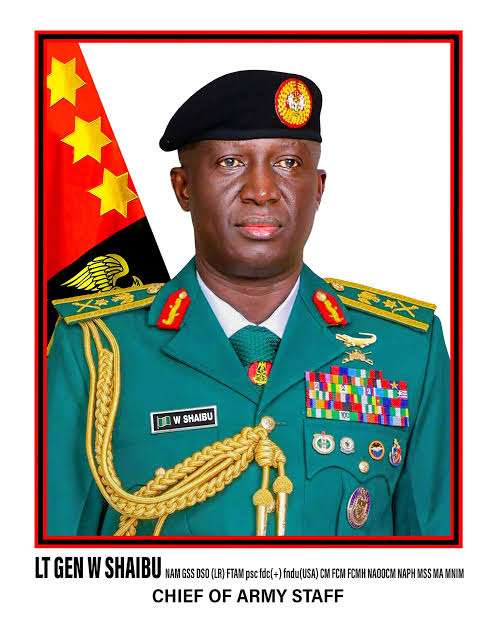
Responding to the escalation, the Chief of Army Staff, Lt. Gen. Waidi Shaibu, declared an uncompromising stance during the opening of the Army Conference in Minna.
“The President has directed that all terrorists, bandits and gunmen be wiped out. We will carry out that directive to the letter.”
More troops, more technology, wider deployments — the military promises an intensified campaign.
But on the ground, from Adanla to Malumfashi, from Millennium City to Mashegu, communities are emptying faster than reassurance can arrive.
For many Nigerians today, the fear is no longer if the attackers will return — but where they will strike next.
