
President Bola Tinubu’s insistence that the newly enacted tax laws will take effect on January 1, 2026, has triggered a wave of strong opposition across Nigeria’s political, legal and civil society space, with critics warning that the reforms, widely described as “compromised,” risk deepening public distrust and economic hardship.
Recall that credibility issues arose for the law after a federal lawmaker, Hon. Abdulsamad Dasuki from Sokoto State, disclosed on the floor of the House of Representatives that the bill signed into law by the president differed from that the gazetted copy. He said there were alterations and called for review. His disclosure sparked anger at the alleged forgery.

However, in a statement issued on Tuesday, December 30, President Tinubu dismissed speculations that his administration might delay, suspend or reverse the tax reforms, stressing that the process had moved beyond policy debates into the implementation phase. He maintained that some aspects of the laws had already taken effect from June 26, 2025, and described the reforms as a “historic opportunity” to build a fair, competitive and resilient fiscal framework.
According to the president, the laws are not intended to increase the tax burden on Nigerians but to harmonise the tax system, drive structural reforms and strengthen the social contract while preserving citizens’ dignity. He added that no substantial issue had been identified to justify halting the reform agenda, pledging continued collaboration with the National Assembly to resolve any concerns.
However, the president’s reassurance has done little to calm a growing storm of criticism from opposition leaders, lawmakers, professional bodies and civil society organisations, many of whom argue that the laws were poorly conceived, rushed through the legislature, forged, and fundamentally out of touch with Nigeria’s harsh economic realities.
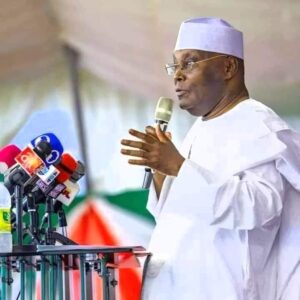
Former Vice President Atiku Abubakar has emerged as one of the loudest critics of the reforms, accusing the federal government of pushing through far-reaching fiscal changes without adequate consultation or transparency. In a series of public statements and social media posts, Atiku warned that implementing the laws in their current form could further strain small businesses, discourage investment and worsen living conditions for ordinary Nigerians already grappling with inflation and unemployment.
Labour Party presidential candidate in the 2023 election, Peter Obi, echoed similar concerns, arguing that tax reform should not be pursued in isolation from broader economic productivity and governance reforms. Obi cautioned that increasing or restructuring taxes in an economy with weak purchasing power and fragile manufacturing capacity could be counterproductive. He called for a pause and a comprehensive review anchored on data, stakeholder engagement and measurable economic outcomes.

Dissent Within the Ruling Party
Opposition has also surfaced within the ranks of the ruling All Progressives Congress (APC). Senator Ali Ndume, a senior lawmaker, publicly questioned the integrity of the legislative process that produced the tax laws, alleging that key provisions were altered without sufficient debate or clarity. Ndume warned that ignoring public outcry could alienate citizens and lawmakers alike, urging the executive to prioritise consensus over speed.
Several lawmakers from both chambers of the National Assembly have similarly distanced themselves from the reforms, with some admitting that public backlash has been overwhelming in their constituencies. While the presidency insists that due process was followed, dissenting legislators argue that the spirit of the law has been compromised and requires urgent corrective action.

The Nigerian Bar Association (NBA) has also weighed in, expressing concern over what it described as ambiguities and potential constitutional issues within the new tax framework. Legal experts affiliated with the NBA warned that unclear provisions and overlapping tax authorities could lead to increased litigation, regulatory confusion and abuse of power at different levels of government.
Civil society organisations (CSOs) and policy advocacy groups have gone further, describing the reforms as anti-poor and poorly timed. Many argue that introducing sweeping tax changes amid rising fuel prices, food inflation and currency instability undermines social equity. On social media platforms, activists and commentators have accused the government of prioritising revenue generation over economic justice and citizen welfare.
Internet Boils With Criticism
Across the internet, the debate has been intense and polarised. Hashtags criticising the tax laws trended intermittently, with users sharing analyses, opinion pieces and personal stories of financial strain. While some voices have welcomed the idea of reform in principle, the dominant sentiment online reflects anger over perceived insensitivity and a lack of trust in government assurances.
Critics argue that the administration’s insistence on implementation, despite widespread objections, reinforces fears that public consultation is merely symbolic. Supporters of the reforms, however, contend that Nigeria’s chronic revenue challenges require bold decisions and that resistance is driven partly by misinformation and entrenched interests.
Despite the backlash, President Tinubu has remained firm, reiterating his commitment to due process and the sanctity of enacted laws. He assured Nigerians that any genuine issues identified would be addressed in collaboration with the National Assembly but warned against what he termed “premature, reactive measures.”
“Our administration is aware of the public discourse surrounding alleged changes to some provisions of the recently enacted tax laws,” the president said. “No substantial issue has been established that warrants a disruption of the reform process.”
As 2026 arrives in less than 24 hours, the tax reforms appear set to remain a major flashpoint in Nigeria’s political and economic discourse. Whether the government’s resolve will translate into a smoother fiscal system or deepen public resentment may depend on its willingness to engage critics and address the credibility concerns surrounding the controversial laws.
