The United States has resumed intelligence, surveillance and reconnaissance (ISR) flights over North-East Nigeria following recent airstrikes on suspected Islamic State targets in Sokoto State, signalling renewed aerial monitoring of extremist activities in the region.
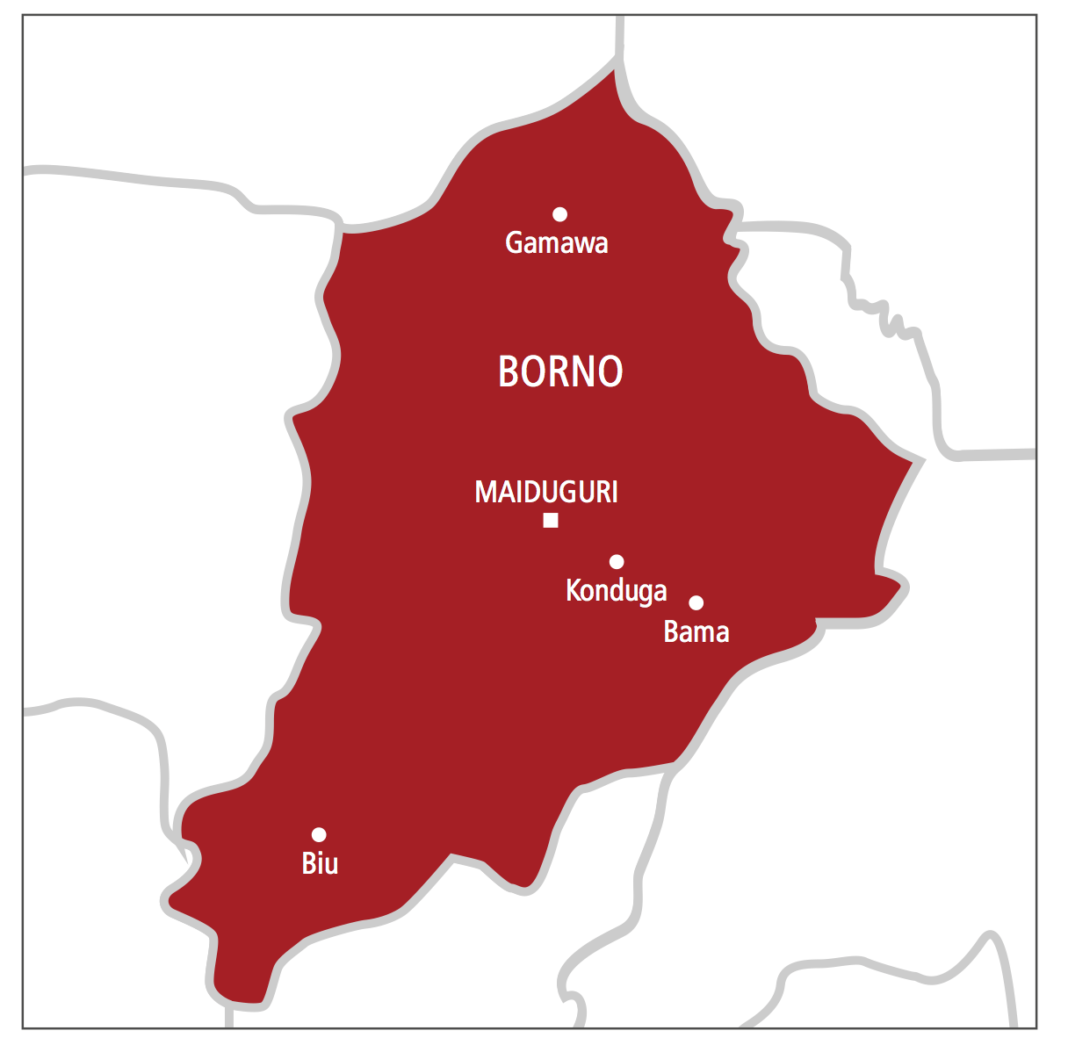
The development was disclosed by Sahel terrorism analyst Brant Philip, who shared flight-tracking data on social media platform X. According to the data, a U.S. surveillance aircraft was observed flying over Borno State, a key hotspot of insurgent activity in Nigeria’s North-East.
The aircraft was identified as a modified Gulfstream V, a jet commonly used by the United States for long-range intelligence missions involving surveillance and reconnaissance. Such aircraft are equipped with advanced systems designed to gather real-time intelligence across vast territories.
Philip noted that the renewed ISR activity is primarily focused on the Islamic State West Africa Province (ISWAP), the jihadist group operating across Nigeria’s North-East and the wider Lake Chad Basin. ISWAP has remained one of the most active extremist groups in the region, with strongholds in remote and forested areas.
According to the analyst, ISR flights resumed over the Sambisa Forest after a one-day pause that followed the airstrikes in Sokoto State. Sambisa Forest has long served as a strategic hideout for insurgent groups and remains a focal point of counter-terrorism operations.
While neither U.S. nor Nigerian authorities have officially commented on the latest surveillance activity, the resumption of ISR flights suggests continued intelligence cooperation aimed at tracking and disrupting extremist movements in Nigeria’s conflict-affected areas.
The renewed flights come amid heightened security concerns following the Sokoto airstrikes, which targeted suspected Islamic State elements and marked a significant development in counter-terrorism efforts beyond the North-East.
