
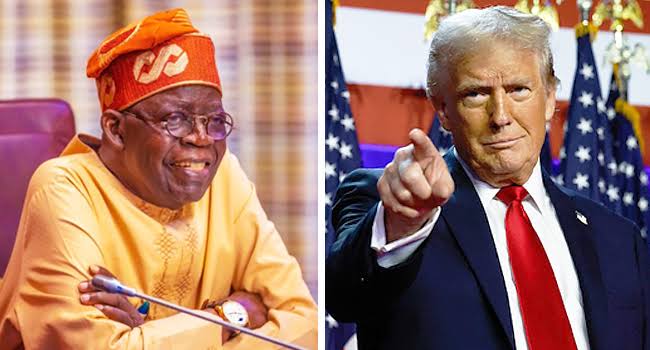
The U.S. government has announced a partial suspension of visa issuance to Nigerians, a development with serious implications for travel, education, and migration plans.
In a statement released by the U.S. Mission in Nigeria, the restriction will take effect from January 1, 2026, following Presidential Proclamation 10998, which focuses on border control and national security.
Under the new rules, certain visa categories will be affected, including:
• B-1/B-2 visitor visas (business and tourism)
• F, M, and J visas (students and exchange visitors)
• Selected immigrant visa categories, with limited exceptions
Nigeria is among 19 countries named in the proclamation. Others include West African neighbours such as Benin, Togo, Senegal, and The Gambia, as well as countries in the Caribbean, Africa, and Latin America.
The U.S. Mission clarified that the suspension does not apply to all Nigerians. Exemptions include:
• Nigerians who already hold valid U.S. visas issued before January 1, 2026
• Lawful Permanent Residents (green card holders)
• Dual nationals using passports from unaffected countries
• Certain Special Immigrant Visa categories
• Participants in major international sporting events
Importantly, visas issued before the effective date will not be revoked, and holders may continue to travel under existing rules.
Visa applicants from Nigeria will still be allowed to submit applications and attend interviews, but the U.S. government cautioned that such applicants may be found ineligible for visa issuance under the new proclamation.
The announcement has raised concerns among Nigerian students, business travelers, and families planning to migrate or visit the United States. Education consultants warn that the partial suspension of student visas could disrupt academic plans, while travel agents say visitor visa applicants may face increased uncertainty.
U.S. officials maintain that the measures are not a total travel ban but part of broader efforts to strengthen security screening and reduce visa overstays.
As the January 2026 deadline approaches, Nigerians seeking to travel to the United States are being advised to monitor official U.S. Embassy communications closely and complete any urgent visa applications well ahead of the new restrictions.
The United States government has also rolled out a sweeping set of immigration measures that combine tougher entry restrictions for some countries, including Nigeria, with new incentives encouraging undocumented migrants already in the U.S. to voluntarily leave the country.
In a move that has drawn global attention, the U.S. Department of Homeland Security (DHS) announced a holiday self-deportation incentive programme, offering undocumented immigrants free flight tickets to their home countries and a cash payment of up to $3,000 if they voluntarily depart before the end of the year.
The programme is being implemented through the CBP Home mobile application, which allows undocumented migrants to register their intention to leave the U.S. voluntarily. According to DHS, participants may also qualify for forgiveness of certain civil fines and penalties, such as those related to overstaying visas.
Homeland Security Secretary Kristi Noem described the initiative as a seasonal goodwill gesture, noting that the incentive was tripled during the Christmas period to encourage compliance.
However, she warned that undocumented immigrants who refuse to take advantage of the offer risk arrest, forced deportation, and permanent restrictions on returning to the United States.
DHS said voluntary departures have increased significantly in 2025, with millions of undocumented migrants reportedly leaving the country on their own since the start of the year, many through the CBP Home platform.
Taken together, the self-deportation incentives and new visa restrictions on Nigerians signal a tougher U.S. immigration posture — one that combines financial encouragement for undocumented migrants to leave with stricter controls on who can enter in the future.
