
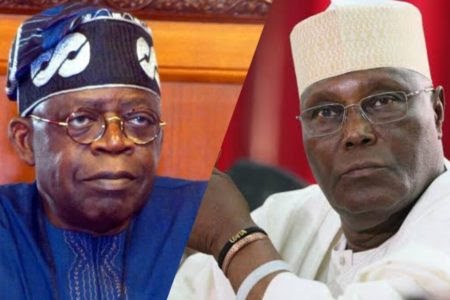
A major political and constitutional controversy has erupted following a statement by former Vice President Atiku Abubakar, who has accused the Federal Government of illegally altering Nigeria’s tax reform legislation after its passage by the National Assembly. The allegation, framed in stark terms as an act of “treason against the Nigerian people,” has intensified national debate over separation of powers, executive authority, and the economic direction of the country.
In the statement released on Tuesday, Atiku alleged that substantive and far-reaching provisions were inserted into the tax reform law after lawmakers had concluded deliberations and passed the bill. He argued that such actions, if proven, would amount to a grave violation of Sections 4 and 58 of the 1999 Constitution, which vest lawmaking powers exclusively in the legislature and define the process for presidential assent.
According to the former vice president, the alleged post-passage alterations represent a “draconian overreach by the executive branch” that undermines legislative supremacy and weakens Nigeria’s constitutional democracy.
Central to his claims are provisions that allegedly grant expansive enforcement powers to tax authorities, including arrest powers, property seizure and garnishment without court orders, and enforcement sales conducted without judicial oversight. Atiku argued that these measures effectively transform tax officials into quasi-law enforcement agents, eroding due process protections that lawmakers had intentionally preserved.
“These provisions strip Nigerians of fundamental legal safeguards,” the statement said, asserting that such powers were not approved by the National Assembly.
The statement further alleges that the altered law imposes heavier financial obligations on citizens and businesses at a time of severe economic strain. Among the measures highlighted are a mandatory 20 per cent security deposit before taxpayers can appeal assessments, the introduction of compound interest on tax debts, expanded quarterly reporting requirements with lower thresholds, and compulsory United States dollar-based computation for petroleum operations.
Atiku contended that these changes would discourage legitimate appeals against disputed tax assessments and increase compliance costs, particularly for small and medium-scale enterprises already grappling with inflation, high operating costs, and limited access to credit.
Another major plank of the accusation is the claimed removal of accountability and oversight provisions. The statement alleges that requirements for quarterly and annual reporting to the National Assembly, strategic planning submissions, and ministerial supervision were deleted from the final law.
According to Atiku, the elimination of these mechanisms insulates the executive from scrutiny while simultaneously expanding its powers, a trend he described as “a hallmark of authoritarian governance.”
Beyond legal concerns, the statement situates the controversy within Nigeria’s broader socioeconomic challenges. It points to persistently high poverty levels, widespread unemployment, and rising inflation as evidence that citizens are already under significant pressure.
Atiku criticised what he described as an excessive focus on revenue extraction rather than economic empowerment, arguing that sustainable tax revenue is best achieved by investing in infrastructure, education, healthcare, and policies that stimulate productivity and job creation.
“True economic growth comes from empowering citizens, not impoverishing them further through punitive taxation,” the statement said.
The former vice president issued a series of demands aimed at addressing the alleged breach. He called on the Executive to suspend implementation of the tax law, reportedly scheduled to take effect on January 1, 2026, pending a full investigation. He also urged the National Assembly to correct any illegal alterations through proper legislative procedures and to hold those responsible accountable.
In addition, Atiku appealed to the Judiciary to strike down any unconstitutional provisions, civil society groups and citizens to resist what he termed an assault on democratic principles, and the Economic and Financial Crimes Commission (EFCC) to investigate and prosecute those allegedly involved in the illegal modification of the law
As of the time of filing this report, the Federal Government and the leadership of the National Assembly had not publicly responded to the allegations. Legal experts note that if the claims are substantiated, the matter could set the stage for significant court challenges and deepen tensions between branches of government.
Political analysts say the controversy underscores long-standing concerns about transparency in the legislative process and the balance of power in Nigeria’s democracy.
Atiku concluded his statement with a warning that allowing laws to take effect without proper legislative approval could pave the way for arbitrary governance. “What the National Assembly did not pass cannot become law,” he said, adding that Nigerians “deserve better than a government that circumvents democracy to impose hardship.”
The coming weeks are expected to determine whether the allegations lead to official investigations, legislative action, or judicial review—developments that could have lasting implications for Nigeria’s constitutional order and economic policy direction.
