

Amid rising calls for the suspension of the nation’s new tax laws billed to take effect on January 1, 2026 on account of alleged alterations of the bills passed by the National Assembly, the Presidency has firmly rejected the allegations.
The seat of executive power insists that the legislation followed due legislative process and will be implemented as scheduled from January 2026.
The controversy follows claims by a member of the House of Representatives, Abdussamad Dasuki (PDP, Sokoto), that the versions of the tax laws published in the official gazette differ from what lawmakers debated, harmonised and passed on the floor of the National Assembly.
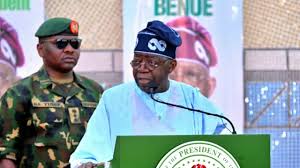
President Bola Ahmed Tinubu had, in June, assented to four major tax reform bills after months of deliberation. The laws are the Nigeria Tax Act, Nigeria Tax Administration Act, Nigeria Revenue Service (Establishment) Act, and the Joint Revenue Board (Establishment) Act. The reforms are a central plank of the administration’s fiscal policy, aimed at streamlining revenue collection, expanding the tax base and modernising tax administration. Full implementation has been slated for January 1, 2026.
But Dasuki last week threw a spanner into the works when he raised a point of order during plenary, alleging that the gazetted copies of the tax laws available to the public contained provisions that were not part of what lawmakers approved.
“What was passed on the floor is not what is gazetted,” Dasuki told the House. He said he personally obtained copies of the gazetted laws from the Ministry of Information and found discrepancies when compared with the harmonised versions approved by the legislature.
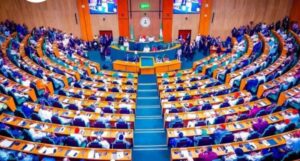
Describing the situation as grave, the lawmaker warned that any post-passage alteration of legislation amounted to a constitutional breach. He urged the House leadership to urgently compare the records of what was passed with the published versions to determine the source and extent of the alleged changes.
Following his complaint, the House of Representatives set up an ad hoc committee, chaired by the Chairman of the House Committee on Finance, James Faleke, to investigate the allegations and report back to the chamber.
Opposition Calls for Suspension
The claims have triggered strong reactions from opposition figures and parties, who are calling for the immediate suspension of the implementation of the tax laws pending the outcome of an independent investigation.
Former Vice President Atiku Abubakar described the allegations as “very serious” and called for a halt to implementation to allow for thorough scrutiny. Speaking through his media aide, Paul Ibe, Atiku said any alteration of a law after passage constituted falsification and was criminal in nature.
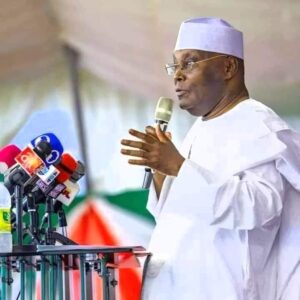
“This is dangerous,” Atiku said, questioning what other laws might have been altered if the allegations were proven. He also alleged that some provisions not originally criminalised were later inserted, potentially to target political opponents.
Similarly, Peter Obi, the former Labour Party presidential candidate and ex-governor of Anambra State, warned that the controversy represented a dangerous slide from poor governance to outright abuse of the law. In a statement posted on his verified X handle, Obi said the alleged alterations struck at the heart of constitutional governance and further eroded public trust.
According to Obi, the gazetted version of the laws appeared to introduce new enforcement and coercive powers that were not approved by the House of Representatives. He cited provisions such as a mandatory 20 per cent deposit before tax appeals could be heard in court, asset sales without judicial oversight, and expanded arrest powers for tax authorities.

“We cannot continue to ask citizens to pay more taxes while trust in governance collapses,” Obi said, calling for full disclosure of what was passed, what was signed and what was formally recorded.
The African Democratic Congress (ADC) also weighed in, describing the tax reforms as “draconian” and urging their immediate suspension. In a statement by its National Publicity Secretary, Bolaji Abdullahi, the party warned that tampering with legislation after passage suggested an attempt to concentrate excessive powers in the executive. The ADC called for a public inquiry and the prosecution of anyone found responsible for any unlawful alterations.
Presidency Pushes Back
In response, the Presidency dismissed the allegations, insisting that there is no evidence that the tax laws were altered after passage.
the President’s Special Adviser on Information and Strategy, Bayo Onanuga, ruled out any suspension of the tax laws. He said the government would await the outcome of the House probe and would not make statements that could undermine the investigation.
“The law has already been passed, and the timeline for implementation remains January 1,” Onanuga said, adding that some aspects of the reforms were already being implemented.
Echoing the position, Temitope Ajayi, Senior Special Assistant to the President on Media and Publicity, said claims of document tampering remained unproven and amounted to what he described as “opposition noise.”
Ajayi said the laws were enacted through due process and that no amount of political pressure would stop their implementation in January 2026. He added that relevant government agencies had been working for months to ensure a smooth rollout of the reforms.
“Opposition elements can say whatever they want,” Ajayi said, arguing that criticism of the laws was aimed at creating unnecessary controversy around government policy.
He also noted that the House of Representatives had already constituted a committee to investigate the allegations, stressing that the appropriate step was to allow the committee to complete its work.
Awaiting Findings
As the debate continues, attention is now focused on the House of Representatives’ investigative committee, whose findings are expected to determine whether discrepancies exist between the versions of the tax laws passed by lawmakers and those gazetted for public use.
Until then, the Presidency has maintained that the tax reform laws remain valid and will be implemented according to schedule, even as opposition figures and civil society groups continue to press for transparency and accountability in the lawmaking process.
