
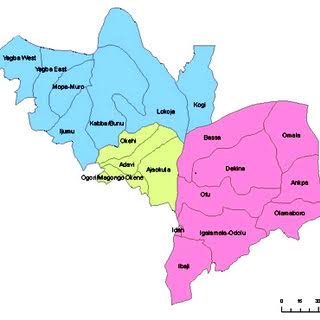
Insecurity in Kogi West Senatorial District has assumedalarming proportions, with residents increasingly living in fear amid frequent cases of kidnapping, banditry and violent attacks on communities, farms, churches and major highways.
Reports across online media platforms in recent weeks indicate a steady escalation of attacks in areas stretching from Kotonkarfe and Lokoja to Kabba-Bunu, Ijumu, Mopamuro, Yagba East and Yagba West. Once-busy transport corridors and agrarian settlements are now described by locals as dangerous zones, particularly at night and during farming activities.
Against this backdrop, a civic group, Kogi Equity Alliance (KEA), has raised the alarm, warning that the insecurity in Kogi West appears “systematic and sustained,” and calling for urgent federal intervention. In a statement made available to journalists, the group said the scale, frequency and geographical spread of the attacks suggest a breakdown of security beyond routine criminality.
According to KEA, the persistent violence has continued despite repeated assurances by the Kogi State Government, raising concerns about what it described as institutional weakness and neglect. The group argued that the failure to contain the crisis has emboldened criminal networks operating in forests, border communities and industrial corridors within the zone.
Recent incidents have heightened public anxiety. On Sunday, armed men reportedly invaded Ayetoro-Kiri community in the Bunu axis of Kabba-Bunu Local Government Area, abducting no fewer than 13 residents. Local hunters were said to have engaged the attackers in a gun battle, killing four of them — an episode that underscored the growing reliance on vigilantes in the absence of adequate security presence.
On the same day, gunmen abducted the elder brother of the Chairman of Yagba West Local Government Area, who is also the Chairman of the Association of Local Governments of Nigeria (ALGON) in Kogi State. The victim was reportedly seized while working on his farm near Egbe, the commercial hub of Yagba West.
Reports have also documented similar attacks on churches, night raids on rural communities and the kidnapping of commuters along major roads linking Kogi West to neighbouring states in the South-West and North-Central regions.
KEA linked the worsening security situation to broader political tensions ahead of the 2027 governorship election, noting that Kogi West has yet to produce a governor since the return to democratic rule in 1999. The group observed that while Kogi East and Kogi Central have enjoyed long years of political leadership, Kogi West — despite hosting the state capital and numerous federal institutions — remains politically marginalised.
“The coincidence between renewed agitation for power shift and escalating insecurity raises legitimate concerns,” the statement said, citing allegations involving illegal mining activities and non-indigenous criminal actors allegedly protected by powerful interests. KEA called for an independent and transparent investigation into these claims.
The group further warned that instability in Kogi West carries national security implications, given its strategic location, population size and concentration of federal infrastructure.
Invoking Section 14(2)(b) of the 1999 Constitution, which makes the security and welfare of citizens the primary purpose of government, KEA urged President Bola Ahmed Tinubu to take direct interest in the situation. Among its recommendations were the rehabilitation of major federal roads, the full operationalisation of a Forward Operating Military Base in the zone, sustained intelligence-driven security deployment, and the establishment of an inter-agency task force with a clear mandate.
Residents, community leaders and civil society groups have echoed these calls, warning that continued inaction could further erode public confidence and deepen the crisis.
As fear spreads across Kogi West, many residents say the issue is no longer political rhetoric but a daily struggle for survival, with expectations now firmly fixed on decisive action from the Federal Government to restore peace and stability.
