
A major counter-narrative has emerged in Nigeria’s heated debate over violence in rural communities, as the Miyetti Allah Kautal Hore socio-cultural association claims that Fulani pastoralists—not Christians—have borne the brunt of targeted killings for more than two decades.
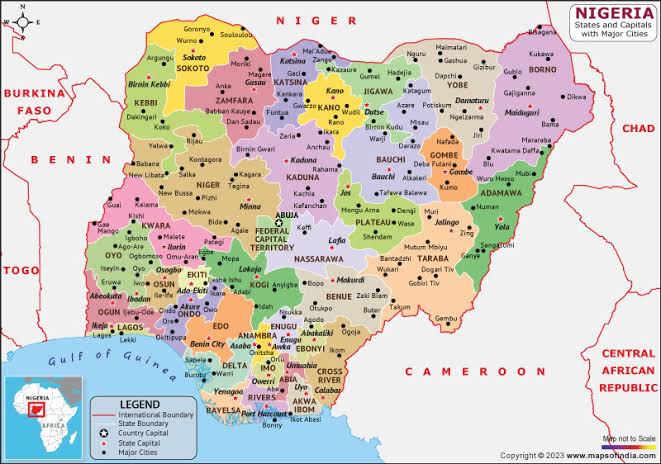
Speaking on Channels TV on Thursday, the association’s National Secretary, Engr. Saleh Alhassan, dismissed reports of a Christian genocide as “politically motivated” and aimed at securing international sympathy and funding. According to him, if any group in Nigeria has experienced something resembling genocide, “it is the Fulani pastoralists who have been systematically attacked across Plateau, Benue, Zamfara, Kebbi and beyond.”
“Pastoralists Have Been Hunted, Displaced, Criminalised”
Alhassan argued that pastoral communities have faced deliberate and coordinated violence since the early 2000s, coupled with state policies he says have criminalised their way of life.
“Pastoralists have been deliberately targeted, killed, displaced, and some state governors even enacted laws that criminalised pastoralism,” he said, insisting that media portrayals often simplify or distort the complexities of farmer–herder conflicts.
He described ongoing reporting as “unfortunate” and accused some outlets of fuelling stigma that casts herders as automatic perpetrators any time conflict erupts.
A Swipe at “Genocide Town Criers”
The Miyetti Allah secretary took aim at religious and advocacy leaders who have taken accounts of violence against Christians abroad, claiming their goal is to attract foreign funding rather than seek genuine solutions.
Using the example of a cleric who reportedly presented Benue violence narratives in the United States, Alhassan said: “What he is looking for is foreign aid. He failed to contextualise the conflict.”
He also faulted the National Assembly for ignoring the group’s memorandum on resolving the farmer–herder crisis, saying key national institutions are being bypassed in favour of international activism.
Claims of Escalating Attacks on Herders After Trump Remarks
Alhassan further alleged that attacks on pastoralists have intensified in recent weeks, particularly after former U.S. President Donald Trump made comments referencing violence in Nigeria.
“In the last three weeks, pastoralists have been devastated in Kebbi, Niger, and Benue states. They were attacked and nothing was said—no statements from security agencies, nothing from the media,” he said.
He claimed herders are frequently blamed for crimes committed by others, saying that “after investigations, you discover the locals were responsible.”
Miyetti Allah Backs FG Peace Efforts, Urges Broader Strategy
Despite his criticisms, Alhassan reaffirmed the group’s support for government efforts to restore stability.
“As an organisation campaigning for peace, we support all government initiatives for sustainable peace,” he noted, while urging authorities to adopt a comprehensive security approach that recognises the multi-actor nature of violence in rural Nigeria.
He acknowledged that some herders may have engaged in criminality, but rejected the idea that pastoralists are the primary aggressors. “That is not the narrative,” he maintained.
Insecurity Rages On Across Northern and Middle Belt States
The comments come amid a worsening wave of violence that has affected both farming and pastoralist communities.
Over the last two weeks alone:
• More than 300 schoolgirls, schoolboys, and teachers were abducted in coordinated attacks in Kebbi and Niger states.
• Thirty-eight worshippers were kidnapped from a Christ Apostolic Church in Kwara State, where at least three people were killed. They have since been freed in what appeared to be a negotiation.
• In Kogi State, gunmen abducted a pastor and his wife during a Sunday service.
• A bride-to-be and her bridesmaids were seized in Sokoto State.
• A Kwara monarch and six others narrowly escaped after kidnappers demanded ₦150 million.
The persistent abductions and killings have deepened the country’s insecurity crisis, further straining relations between farmers and pastoralists and complicating government peace-building efforts.
As the country grapples with overlapping conflicts—banditry, terrorism, communal clashes, and organised crime—Miyetti Allah’s intervention adds a new layer to an already polarised public discourse.
