
A week after gunmen stormed Government Girls Comprehensive Secondary School in Maga, Kebbi State, killing a vice-principal and abducting about 24 female students, all surviving victims have now been released — but the circumstances surrounding their freedom remain sharply contested.
On November 17, 2025, armed men raided the all-girls secondary school in the Danko-Wasagu area of Kebbi State. The attackers shot dead the vice-principal and took roughly 25 girls hostage. One student escaped shortly after the abduction, leaving 24 in captivity.
The incident reignited fears over the increasingly frequent mass kidnappings of schoolchildren across northern Nigeria — a pattern dating back to the 2014 Chibok abductions and repeated in numerous attacks on boarding schools in remote communities.
On November 25, authorities in Kebbi State announced that all 24 remaining abducted students had been freed. Governor Nasir Idris stated that neither the state nor the federal authorities paid ransom or offered concessions.
“There was no payment of a kobo,” Idris said, emphasising that security agencies secured the release through a “non-kinetic” operation — a term officials use to describe intelligence-driven, negotiation-free interventions.
Security sources, including the Department of State Services (DSS) and the office of the National Security Adviser, echoed the claim, asserting that the operation relied on strategy and pressure rather than force or bargaining.
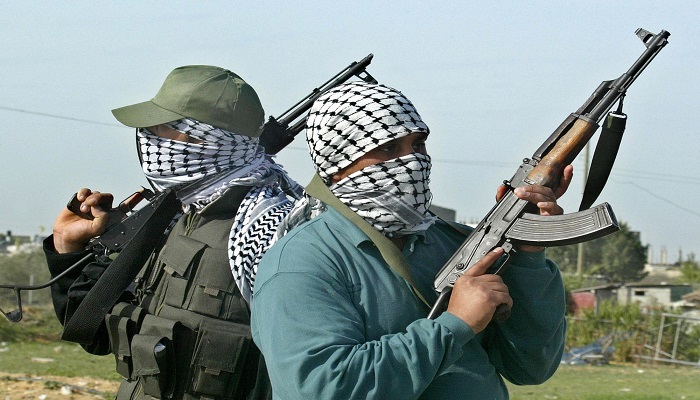
However, a video that surfaced online within hours of the announcement has cast doubt on the official version of events. Shared widely on X (formerly Twitter), the footage shows some of the freed girls lined up before masked, armed captors. Below is the video that challenges government narrative:
According to reports summarising the video:
• The bandits ask the girls how many military aircraft flew overhead. The girls reply: “uncountable.”
• One masked man declares: “We are letting you go after negotiations. Your government cannot rescue you with might. Your government has failed.”
• The captors repeatedly ask whether the girls were mistreated or assaulted. The girls respond “no.”
• Another says the release came as part of a “peace deal” brokered by elders — not a military operation.
The statements imply that negotiations — not security force pressure — facilitated the release. If accurate, the footage contradicts the government’s consistent denial of any talks or concessions, raising questions about transparency in handling the crisis.
Political figures and commentators have seized on the discrepancy. Former Vice President Atiku Abubakar criticised the administration for “congratulating itself” over what he described as a negotiated release, warning that it signals weakness and could embolden kidnappers.
Analysts say the episode risks undermining public trust. “When unofficial videos contradict official claims, people begin to doubt everything the authorities say,” one security observer noted.
Beyond the debate over negotiations, the attack has also provoked scrutiny of preventive security measures. Local officials say the gunmen struck shortly after a military detachment assigned to protect the school left the premises — a detail some see as evidence of negligence or collaboration.
Families and community leaders have renewed calls for stronger, sustained protection of schools rather than after-the-fact rescue missions.
The Maga abduction is the latest incident in a troubling series of mass kidnappings in northern Nigeria, where armed groups routinely target rural schools. Each episode intensifies pressure on the government to develop a coherent, transparent, and effective strategy to deter attackers and protect students.
As investigations continue and reactions intensify, the conflicting narratives surrounding the girls’ release are likely to fuel further debate — not only about what happened in this specific case, but about the overall direction of Nigeria’s security and anti-banditry policies.
