
By Steve Ogwu Agbo
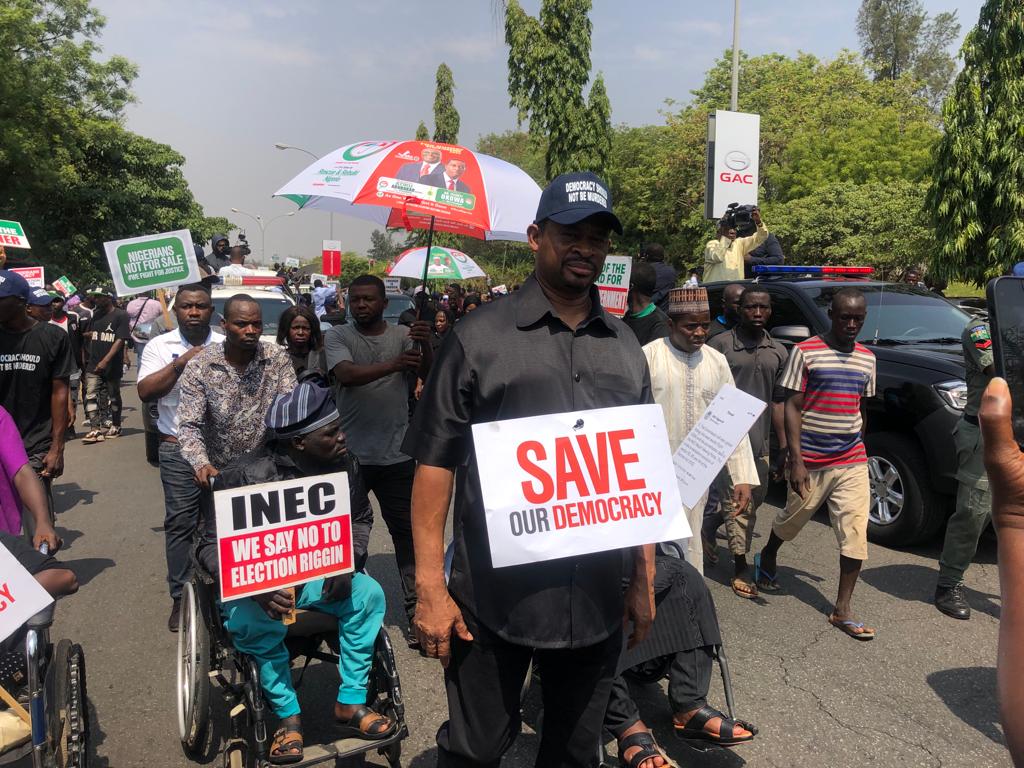
Nigeria’s democracy continues to face serious threats, not only from external pressures but from systemic failures embedded deep within its political structure. Analysts, civil society groups, and concerned citizens increasingly point to the disturbing cycle, where the absence of internal party democracy fuels imposition of candidates, thuggery and election rigging, which then births bad governance and, ultimately, escalating violence across the country.
At the heart of this cycle is the failure of political parties to practice genuine internal democracy. Party primaries are often marred by imposition of candidates, vote-buying, and disregard for due process. This erodes the credibility of the political process from the onset. When aspirants are sidelined in favour of candidates handpicked by party leaders or godfathers, the public loses trust, and disenfranchised contenders often defect or instigate crises.
At a forum in Kaduna, political analysts unanimously agreed; “this lack of party democracy breeds desperation,”. It has also been observed from the previous elections, when politicians know the process is manipulated, they also resort to undemocratic methods, especially during general elections, rigging, voter suppression, and electoral violence become tools for gaining power.
The ripple effect is evident in Nigeria’s repeated cycles of controversial elections. Rigged outcomes produce leaders who owe their allegiance not to the electorate, but to the systems and individuals that facilitated their rise. Accountability is diminished, and corruption thrives. Poor governance follows, manifesting in weak institutions, economic mismanagement, and neglect of basic public services.
In such an environment, frustrations boil over. Youth unemployment, poverty, and inequality, often side-effects of failed leadership, create fertile ground for violence. From banditry in the North-West and North-Central, Boko Haram insurgency in the North-East, separatist agitations in the South-East, to communal clashes and armed attack in the Middle Belt, the links between governance failures and insecurity are undeniable.
“The violence we see today is partly a response to exclusion and injustice,” notes Professor Chinedu Okoye of Nnamdi Azikiwe University, Awka, said “People are not just angry; they are hopeless. And that hopelessness stems from a system that repeatedly denies them meaningful political participation and good leadership.”
Efforts to break this cycle have been inconsistent. Electoral reforms proposed over the years including electronic transmission of results and stricter party regulations have met resistance from vested interests. Civil society organizations and international partners continue to push for greater transparency and accountability, but systemic change remains slow and clogged.
Observers argue that for Nigeria to attain true peace and development, there must be a radical overhaul of its political culture. Political parties must institutionalize internal democracy, the electoral commission must be truly independent, and governance must prioritize citizens’ welfare.
As the country inches toward the next general election cycle, the call is louder than ever: to disrupt the vicious cycle and restore credibility, trust, and peace in Nigeria’s democracy.
● Agbo is with the National Conflict Early Warning Situation Room of the Institute for Peace and Conflict Resolution, Abuja and can be reached at asoemaoriko@gmail.com
